
What changed this year for electric toothbrush buyers
Battery life has dramatically improved in 2026, with entry-level models now lasting 14–30 days on a single charge, compared to five to seven days just a few years ago. This means fewer charging sessions and better travel convenience. Pressure sensors have also become standard at lower price points, helping users avoid brushing too hard and damaging gums. Multi-mode brushing—typically oscillating, gentle, and massage—is no longer reserved for premium models. Replacement brush heads remain a significant cost to track; most electric toothbrushes require head swaps every three to four months, which adds $10–50 annually. The market is now split clearly between sonic vibration models (12,000–48,000 movements per minute) and oscillating-rotary types (2,500–7,500 strokes per minute), each with different plaque-removal profiles. Build quality and durability have improved, with most mainstream brands now offering two-year warranties. Smart features like smartphone connectivity are becoming less common than they were in previous years, as buyers prefer reliable basics over connectivity friction.



Who should buy which type of electric toothbrush
Daily users who brush twice a day benefit most from models with built-in two-minute timers and 30-second pulse guides. These timers prevent under-brushing, the most common user error. Travel-focused buyers should prioritize compact designs and long battery life; quip Electric Toothbrush models are specifically engineered for portability with lightweight frames and include hygienic travel cases. Sensitive teeth sufferers need toothbrushes with dedicated gentle modes and softer bristles; oscillating-rotary designs tend to feel more aggressive than sonic vibration models. People with gum disease or receding gums benefit from pressure-sensing technology that alerts when you're pressing too hard. Budget buyers under $50 should accept fewer brush modes and shorter battery life but can still get effective cleaning. Parents selecting toothbrushes for children need smaller brush heads and fun colors; adult premium models often overwhelm younger users. Those seeking whitening as a bonus feature should explore dedicated whitening modes or whitening-specific brush heads, though these add to replacement costs over time.
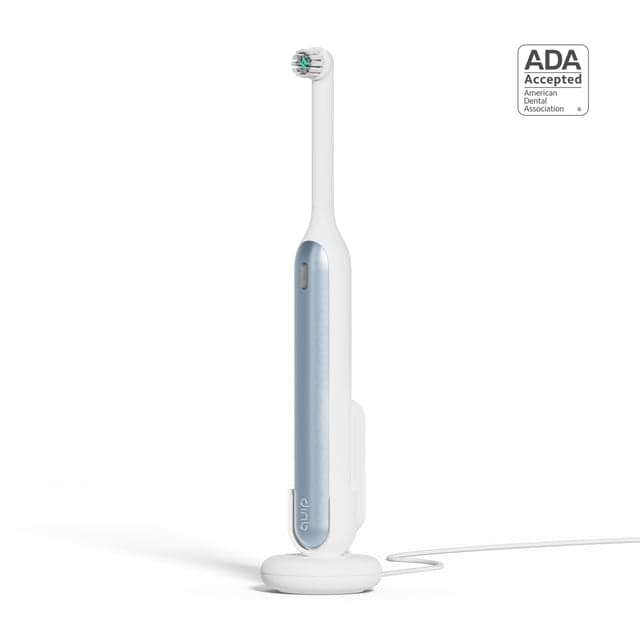 Brad's Deal: Rev Oscillating Toothbrushquip Electric Toothbrush · $38.50
 Gift CardNatruSmile · $10.00
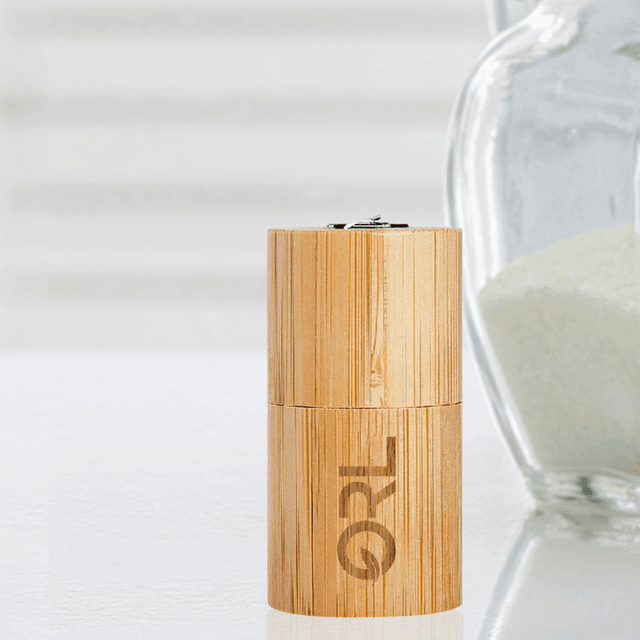 Dental Floss with Bamboo Dispenser (3-Pack)ORL · $19.99
Pick for most people: reliable, balanced choice
quip Electric Toothbrush offers a strong entry point for everyday users who want travel-friendly design without excessive features. The Ultra model runs on two AAA batteries and lasts up to three months per battery change, eliminating frequent recharging. Its sonic vibration technology and two-minute timer with 30-second pulse guides help users brush correctly without thinking. At $65, it sits in the practical middle: not disposable-cheap, but not premium-priced either. The smaller brush head cleans effectively between teeth, and replacement heads cost under $10 and arrive automatically every three months through quip's optional subscription service. This approach avoids the trap of users forgetting to buy replacement heads, since they're delivered proactively. NatruSmile offers an LED teeth whitening electric toothbrush for buyers who want to combine cleaning and whitening in one tool, priced in the $50–80 range. If basic oral health and gentle cleaning matter more than whitening, quip remains the most balanced choice for the majority of users.
Budget pick: effective cleaning without the premium price
NatruSmile's electric toothbrush replacement heads and starter kits price out between $18–50, making them accessible for users on tight budgets. The brand offers teeth whitening gel pens and strips alongside replacement heads, so you can add whitening gradually rather than paying for an all-in-one brush. ORL provides an alternative angle: their toothbrush bundles include mouthwash and toothpaste using natural ingredients, with bundles priced $9–40. This approach saves money by treating oral care as a system rather than buying only a toothbrush. If you choose to purchase a budget electric toothbrush from another brand, calculate the total cost of ownership over 12 months: add the brush price, four replacement heads (every three months), and batteries if not rechargeable. Many budget models underperform not because of poor motors but because users select the wrong brush head type or fail to replace worn heads, which both degrade cleaning effectiveness. Prioritize models with wide bristle compatibility, since third-party replacement heads often cost 30–50% less than manufacturer-branded options.
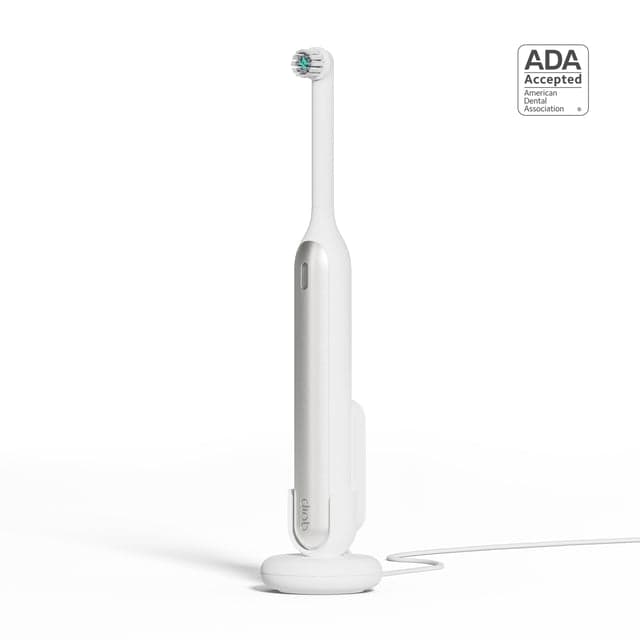 Brad's Deal: Rev Oscillating Toothbrushquip Electric Toothbrush · $38.50
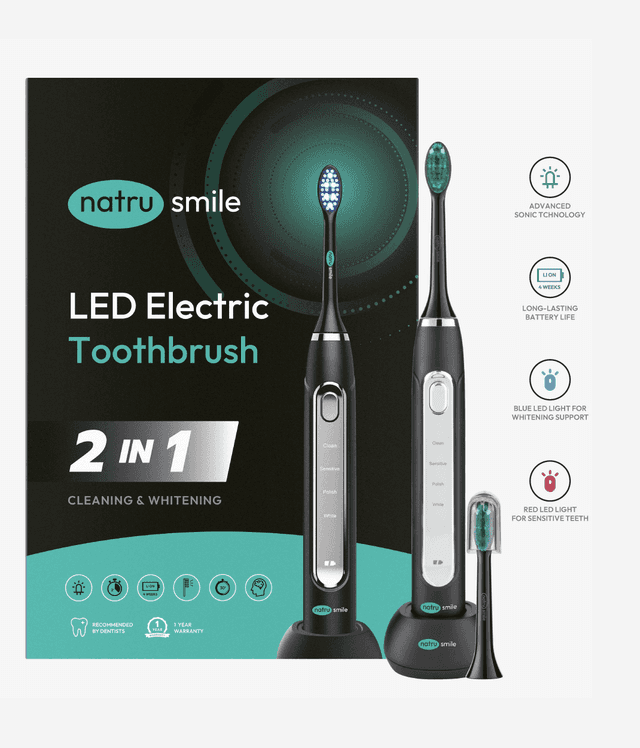 Whitening LED electric toothbrush + 4 replacement headsNatruSmile · $115.58
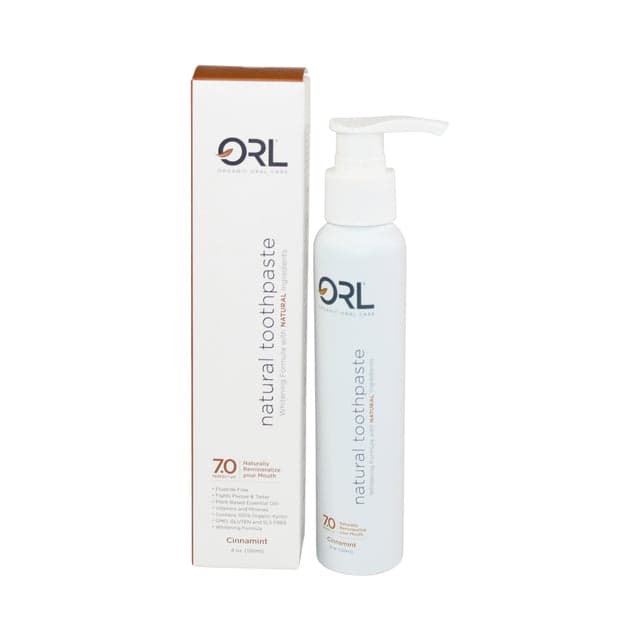 ORL Cinnamint Natural Hydroxyapatite ToothpasteORL · $21.99
Premium pick: extra features and longer battery life
NatruSmile's LED whitening electric toothbrush model combines plaque removal with whitening technology, justifying a higher price point ($60–116 depending on bundle) for users serious about both cleaning and brightness. The LED element requires regular charging but addresses two goals simultaneously. Battery life at this level typically extends to 30+ days, and premium models often include five to seven brushing modes instead of the standard two. ORL's bundle offerings ($40–105) attract premium buyers seeking natural-ingredient oral care: their toothpaste uses natural hydroxyapatite for enamel strength and whitening, and their mouthwash is alcohol-free with organic xylitol. Bundles streamline your buying process and lock in complementary products. At the premium end, expect pressure sensors that alert before gum damage, longer warranties (two to three years), and faster vibration frequencies (40,000+ movements per minute for sonic models). These extras matter most if you have gum sensitivity, a history of gum recession, or simply want to reduce guesswork in your oral care routine. Premium does not always mean more modes; it often means better materials, longer battery life, and reliable pressure feedback.
What specs and materials actually make a difference?
Vibration frequency matters, but only to a point. Sonic toothbrushes operate at 12,000–48,000 movements per minute, while oscillating models operate at 2,500–7,500 strokes per minute; both remove plaque effectively, but sonic models excel at loosening debris between teeth, whereas oscillating-rotary designs are stronger at surface stain removal. Brush head material—nylon bristles versus softer synthetic filaments—affects comfort but not cleaning power; softer bristles suit sensitive teeth without sacrificing effectiveness. Battery type is more important than raw capacity: rechargeable batteries in modern toothbrushes last 14–30 days, while AAA batteries can extend to three months but lack smart charging indicators. Pressure sensor technology varies: basic models beep when you exceed 200 grams of force, while advanced models gradually reduce vibration intensity, offering gentler feedback. Timer accuracy is essential; models with clear 30-second pulse signals help users allocate 30 seconds to each quadrant of the mouth. Handle ergonomics and grip material affect daily use more than marketing claims; rubberized handles reduce slipping in wet hands. Travel case quality matters if you fly frequently; poor cases allow water seepage that corrodes contacts. Don't prioritize app connectivity, since most users disable notifications within weeks, and a missing Bluetooth chip saves $15–30 on the purchase price.
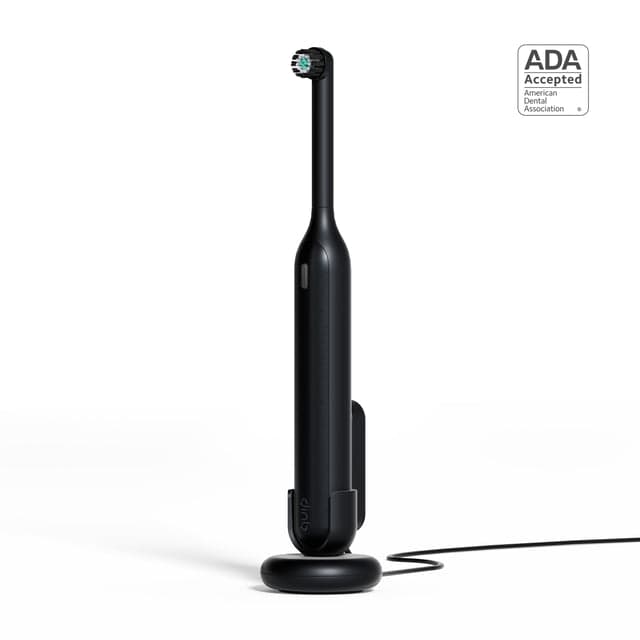 Brad's Deal: Rev Oscillating Toothbrushquip Electric Toothbrush · $38.50
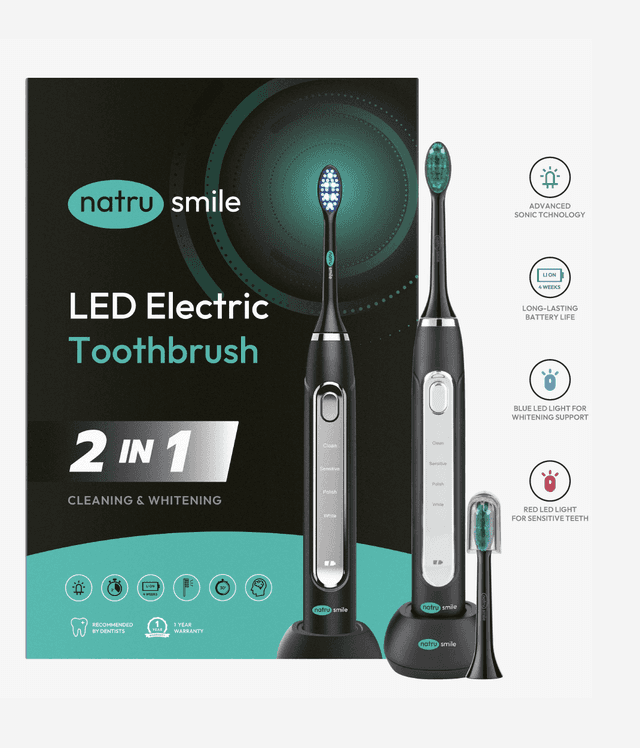 Whitening LED electric toothbrush + 2 Replacement headsNatruSmile · $101.69
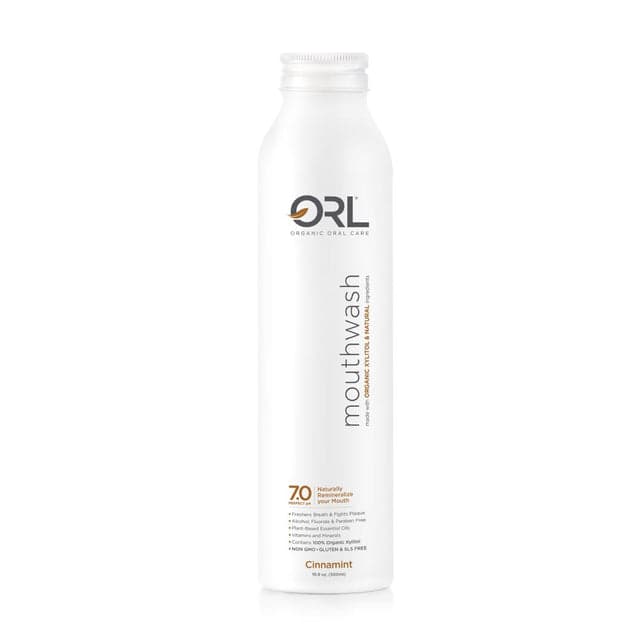 ORL Cinnamint Natural Mouthwash made with the Finest Clean IngredientsORL · $21.99
What features are worth skipping and where marketing overstates value
Smartphone connectivity and app-based brushing technique feedback sound appealing but fail in real-world use: most apps require manual session logging, draining phone battery, and users abandon tracking within two weeks. Skip paying extra for this feature. Marketing claims of 'whitening' modes are often overblown; whitening relies on chemical action from whitening toothpaste, not the bristle vibration itself. If a brand charges $20 extra for a 'whitening mode', the only functional difference is usually a slightly faster vibration speed. LED whitening toothbrushes (like certain NatruSmile models) perform better because the light wavelength has some supporting research, but even those require compatible whitening gel to work. Skip buying multiple brush heads in different materials upfront; start with the standard head and upgrade only if your dentist recommends a specific type for your gums. UV sanitizing bases look hygienic but add bulk and cost; rinsing brush heads under running water and air-drying on a counter works fine for home use. Claims of 'removes 99.9% of bacteria' are marketing filler—no toothbrush reaches that level, and plaque removal percentage is what matters for oral health. Premium brands often charge more for colors, carry cases, and bundled items than for actual cleaning technology improvements. Three-month battery claims sometimes depend on two-minute daily use; real-world battery life is often 10–20% shorter with heavier users.
When do prices drop and what discounts realistically cover?
Electric toothbrush prices drop most dramatically during Amazon Prime Day (typically July–August) and Black Friday through Cyber Monday (November–December). Prime Day discounts in 2026 reached 45–50% for leading brands, beating Black Friday deals by a small margin. Christmas sales (December 3–January 2) also offer substantial reductions, with many retailers clearing stock before new year inventory. Summer flash sales (July–August) and back-to-school promotions sometimes include toothbrushes but without the discount depth of Prime Day. Discount codes from manufacturer websites rarely exceed 10–15% and often require a minimum purchase or signup for a mailing list. Subscription-based delivery codes (like quip's automatic replacement head shipping) may waive first shipping but do not reduce base brush price significantly. Retail markups on electric toothbrushes are 40–60%, so even a 25% sale price often still yields healthy profit for retailers. One-time discounts of 50% or more appear every month for certain models, meaning you do not have to wait for major sales if you find the right brush. Buying bundles—toothbrush plus replacement heads or complementary oral care products—often saves 15–20% compared to purchasing items separately. Watch for flash-specific deals during events rather than permanent price reductions. Avoid impulse buying just before known sale events; if you can wait three to six months, the odds of a bigger discount are high. Most price trackers and deal aggregators reveal which models discount most frequently, helping you spot perennial sale items.
Common mistakes when buying and using electric toothbrushes
The most frequent mistake is brushing for less than two minutes; users skip to 60–90 seconds and remove only surface plaque, leaving bacteria in harder-to-reach areas. Built-in timers with 30-second pulse guides help, but you must use them. Pressing too hard is the second major error: strong pressure damages gums and wears down enamel faster than gentle pressure combined with vibration. Modern toothbrushes do the work; your job is guidance, not force. Many users do not replace brush heads often enough, keeping worn heads for six to nine months when effectiveness drops after four months. Bristle fraying and stiffening reduce access to interdental spaces and increase gum irritation. Failing to rinse and dry brush heads leads to mold and bacterial growth in the bristle base. Keeping toothbrushes in closed toothbrush holders or travel cases without prior air-drying creates a damp environment. Choosing the wrong brush head type—selecting firm bristles for sensitive teeth or vice versa—either causes discomfort or reduces cleaning power. Neglecting to follow your specific toothbrush's use instructions results in improper angle and brush technique. Finally, some users buy premium models and then never replace batteries or heads due to perceived cost, effectively wasting the initial investment. Treat replacement heads as a consumable, budgeted expense, not an optional luxury.
- Brush for full two minutes; set a timer or use the built-in pulse guide
- Use light touch and let vibration do the work, not force
- Replace brush head every 3–4 months before bristles fray
- Rinse head thoroughly and air-dry completely after each use
- Confirm replacement head compatibility before purchasing your brush
Our top picks

quip Electric Toothbrush60% off
Lightweight, travel-ready design with 30-day battery life and two-minute smart timer. Automatic replacement head delivery every three months removes the guesswork. Priced at $65 for broad user appeal.
Shop quip Electric Toothbrush →19 quip Electric Toothbrush coupons →
NatruSmile35% off
LED whitening electric toothbrush for users wanting combined cleaning and brightening. Price range $18–116 allows scaling from budget accessories to full whitening kits. Good for buyers seeking results beyond plaque removal.
Shop NatruSmile →15 NatruSmile coupons →
ORL80% off
Natural-ingredient oral care bundles ($9–105) combining toothbrush, mouthwash, and toothpaste. Fluoride-free, alcohol-free formulation appeals to health-conscious shoppers. Effective for system-based buyers rather than single-product purists.
Shop ORL →15 ORL coupons →Frequently asked questions
How often should I replace my electric toothbrush head?
Replace brush heads every three to four months, or sooner if bristles appear frayed. Most manufacturers include wear indicators—some bristles fade from blue to white when replacement is due. Worn bristles reduce cleaning effectiveness and can irritate gums. Set a calendar reminder if your toothbrush doesn't have an indicator.
Is a sonic or oscillating toothbrush better for my gums?
Sonic toothbrushes vibrate side-to-side at high frequency and excel at loosening debris between teeth. Oscillating-rotary brushes rotate and are stronger at surface stain removal. For gum health, pressure sensitivity matters more than type: choose a brush with a pressure sensor if you tend to brush hard. Either technology works if you use a gentle touch.
Do I really need to spend over $100 on an electric toothbrush?
No. Effective cleaning happens at $30–70 price points; you pay extra for battery longevity, additional brushing modes, and warranty length, not cleaning power. Budget models work fine if you commit to replacing heads on schedule and using proper brushing technique. Premium features matter only if you have gum sensitivity or want built-in whitening.
- https://www.electricteeth.com/electric-toothbrush-buyers-guide/
- https://www.getquip.com/pages/7-reasons-quip-electric-toothbrushes-are-the-best-to-buy-in-2026
- https://www.currys.co.uk/techtalk/kitchen-and-home/appliances-advice/sonic-vs-oscillating-toothbrush-which-is-better.html
- https://www.t3.com/features/electric-toothbrush-mistakes
- https://www.techradar.com/seasonal-sales/you-can-score-a-massive-electric-toothbrush-discount-on-prime-day-here-are-all-the-sales-we-recommend