
How this list was put together and who it is for
This guide reviews at-home teeth whitening products based on independent testing, user reports, and dentist recommendations. Readers here fall into two groups: those with external stains from coffee, tea, or smoking who want affordable surface brightening, and those with deeper discoloration or time-sensitive events who need faster, stronger results. We focus on kits with published peroxide concentrations, clear instructions, and evidence of safety or ADA acceptance. Budget kits start around $16 for basic strips; professional-strength trays with LED accelerators range from $48 to $84. This guide excludes activated charcoal products that lack robust clinical support and deals with whitening strips alone—we focus on complete kits that pair gels or pre-filled trays with application tools.




What separates a place on this list from an also-ran
Top-tier whitening kits share three traits. First, they use clinically proven active ingredients: hydrogen peroxide between 10–15% for safety, or carbamide peroxide up to 35%, which is gentler over longer sessions. Second, they include protective compounds—potassium nitrate for sensitivity, hydroxyapatite to strengthen enamel, or fluoride to prevent decay. Third, they address fit and comfort. Strips that slip around waste gel; custom or UltraFit trays keep peroxide where it belongs. LED mouthpieces should be rechargeable and safe for daily use. Lower-tier products use weak formulas (under 5% peroxide), generic trays that don't seal, or make bold claims without clinical proof. Avoid kits that don't list the active ingredient, lack any mention of sensitivity protection, or promise results in a single use.
- Hydrogen peroxide 10–15% for safe surface whitening
- Carbamide peroxide 24–35% for deeper, slower stains
- Potassium nitrate or hydroxyapatite to reduce sensitivity
- Custom or pre-filled trays that fit snugly without slipping
- LED light only if paired with clinically active gel
 Gift CardNatruSmile · $10.00
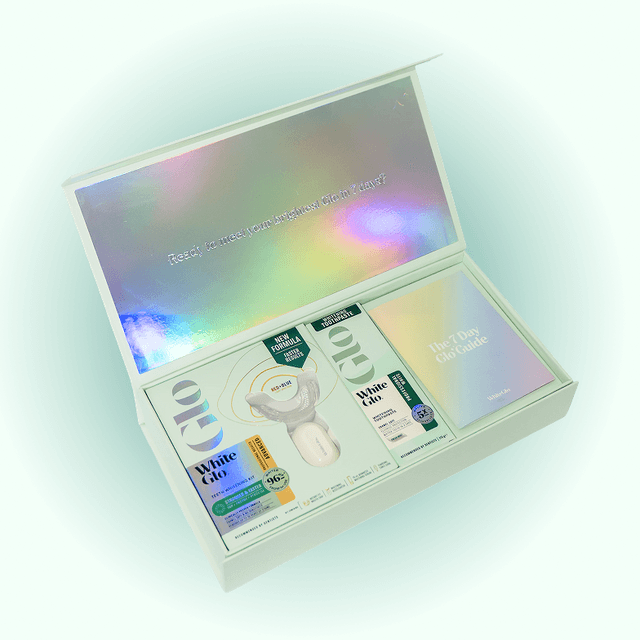 Glo On KitWhite Glo · $29.00
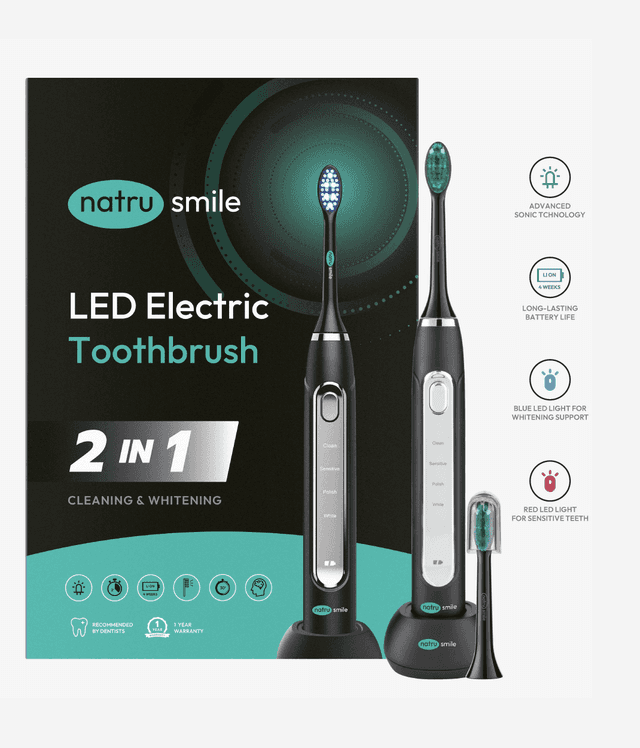 Whitening LED electric toothbrush + 4 replacement headsNatruSmile · $115.58
The all-round pick most people should start with
For most users, hydrogen peroxide strips are the entry point: affordable, proven, and low-risk. White Glo's at-home whitening strips are dentist-formulated and sit in a similar budget strip category. Each strip takes 30 minutes and most users see results within a few days. If strips irritate your gums, NatruSmile offers teeth whitening strips at the lower end of the price range, making them a gentler alternative for sensitive mouths. For faster results without custom molding, prefilled trays with 10–15% hydrogen peroxide deliver even coverage in 15 to 60 minutes per session, though they cost $50–$80 per kit. Strips work best on external stains; trays suit longer sessions and deeper discoloration.
The budget pick, and what you give up to get the price
Entry-level kits under $20 typically use 6–10% hydrogen peroxide and generic single-size trays or uncoated strips. Budget strips may slide during use, wasting product and leaving uneven results. NatruSmile's teeth whitening gel pen costs $18 and lets you apply gel only where you want it, giving you control over amount and placement, though this demands patience and steady hands. Generic LED kits under $25 use weaker formulas and non-rechargeable lights that cool quickly. You trade faster or dramatic results: budget kits whiten 1–3 shades over 1–2 weeks versus 3–5 shades in days with professional-grade products. Skip kits without a peroxide percentage listed, as they are likely below 5% and offer minimal whitening. Budget works well if you have light surface stains, mild discoloration from diet, or want to test sensitivity before upgrading.
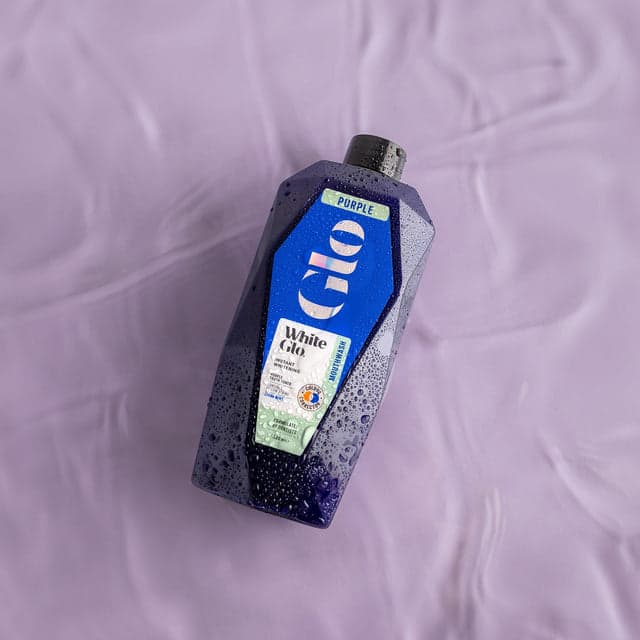 Purple Tooth Toner MouthwashWhite Glo · $6.00
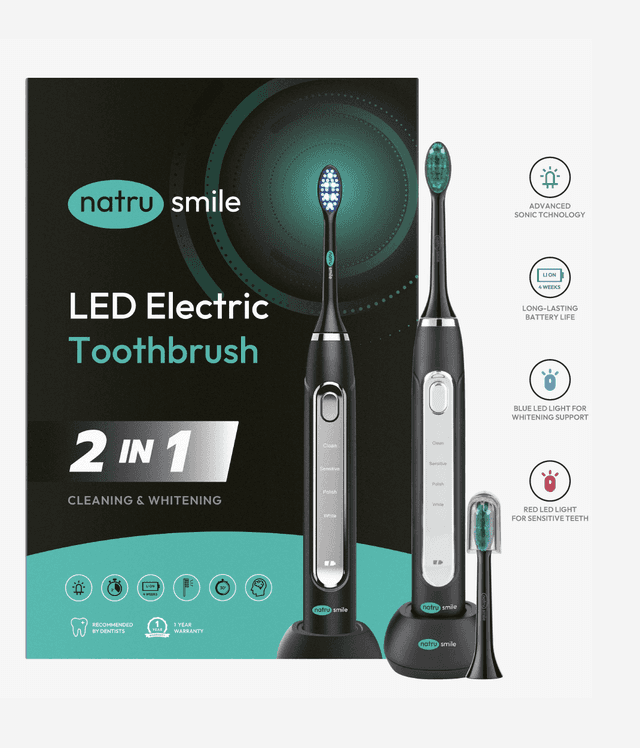 Whitening LED electric toothbrush + 2 Replacement headsNatruSmile · $101.69
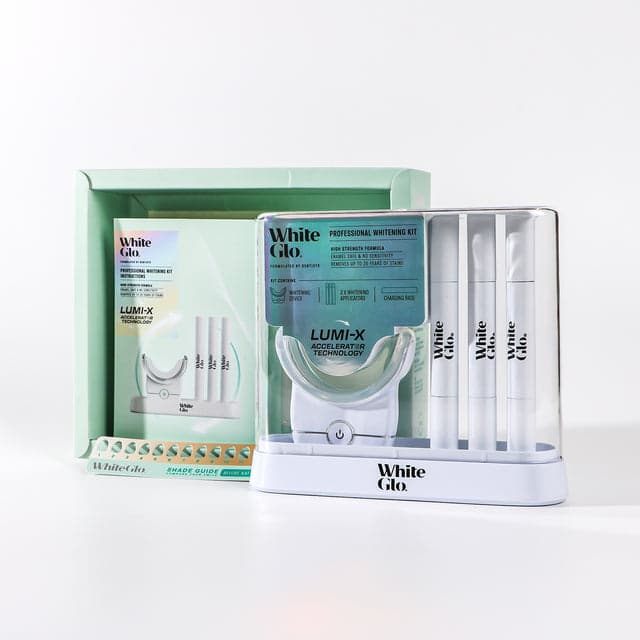 Lumi-X Whitening KitWhite Glo · $65.00
Which whitening method works best for small spaces or light use?
If you whiten only once or twice monthly, or have crowded teeth where standard trays don't fit, whitening gel pens offer precision without waste. NatruSmile's teeth whitening gel pen lets you paint gel onto individual teeth and target problem spots—front canines, for example—that darken faster. Gel pens are portable, take 30 seconds to apply, and the tube lasts weeks. Sensitivity is lower because you use less product overall. The trade-off: results are slower and lighter than strips or trays (1–2 shades in 2–3 weeks) because surface area is small. They suit touch-ups between professional treatments and people who hate having plastic in their mouth. Avoid gel pens claiming 30-minute results; realistic timelines are 5–7 days minimum.
The pick for heavy or daily use
LED trays with rechargeable lights and 35% carbamide peroxide suit users who whiten every other day or tackle severe stains. These kits pair high-concentration gel with heat and light to activate whitening—results appear in 3–5 days instead of 2 weeks. Brands offering rechargeable LED mouthpieces cost $50–$70 and include multiple gel syringes plus booster treatments. NatruSmile offers an LED teeth whitening electric toothbrush that combines daily cleaning with gentle whitening during normal brushing. Because carbamide peroxide works slowly, daily use over weeks causes minimal sensitivity compared to one-off 35% treatments. The downside: carbamide peroxide takes 4–6 hours to fully oxidize, so overnight trays are common. Custom trays (made by a dentist) offer the best fit but cost $200–$300 upfront; generic LED kits are $50–$85 and fit most mouths. Reserve 35% carbamide for people with dark stains or events 1–2 weeks away.
Which specs are worth paying more for and which are marketing?
Potassium nitrate and hydroxyapatite in the formula are worth extra cost. Potassium nitrate blocks pain signals from reaching the nerve, cutting sensitivity by 50% during and after whitening. Hydroxyapatite (the mineral that makes up tooth structure) repairs micro-damage from peroxide, strengthening enamel instead of weakening it. Kits with both cost $10–$15 more but reduce post-whitening aching that might otherwise force you to stop halfway through treatment. Rechargeable LED lights cost $15–$20 more than disposable ones but last 200+ uses, making them cheaper per session. ADA acceptance is free to earn but signals third-party testing; it is not marketing. Avoid 'activated charcoal' as the main whitening agent—it is abrasive and has no clinical proof of lightening teeth. Ceramic or prefilled UltraFit trays cost $5–$10 more than injection-molded plastic but reduce gel waste and uneven coverage. Skip whiter-than-white claims and 'shade 16' results; real kits promise 3–5 shades in a realistic timeframe.
How can you save money on any teeth whitening kit?
Most teeth whitening kits drop 20–40% off list price after 3–4 months as new models launch. Strips and gels have the longest shelf life (2–3 years unopened), so buying on sale and storing them is safe. Watch for bundle deals: buying two kits of the same brand together often costs less per unit than buying one. Coupon codes from dental schools, dentist offices, or bulk sites sometimes offer 10–15% off retail kits. Subscription services that auto-deliver gel refills monthly cut per-session cost by 15–25%, though they require commitment. Peroxide concentrations do not expire quickly if sealed, so older stock is not inferior. NatruSmile teeth whitening gel and strips are in the mid-range of the price spectrum, so buying on sale captures meaningful savings. Professional whitening costs $200–$600 per session; even buying home kits every month for a year ($240–$480) is cheaper, making DIY the smart choice for budget-conscious users.
Who should skip this category entirely and what to buy instead
Skip at-home kits if you have intrinsic stains (discoloration inside the tooth from medication, aging, or genetics) instead of surface stains from diet. No peroxide concentration short of professional-grade in-office bleaching penetrates deep enough, and home use wastes time and money. If you have existing cavities, exposed roots, or gum disease, whitening gel can irritate and damage those areas; see a dentist first to treat those conditions. People with composite veneers or crowns waste product because whitening gels only lighten natural tooth enamel, not artificial materials. If you experience severe sensitivity with 10% peroxide, your enamel may already be thin; ask your dentist about sensitivity-relief treatments before trying higher concentrations. Professional whitening ($200–$600 per session) suits those with intrinsic stains, complex dental work, or who want dramatic results in one visit. Whitening toothpaste (which uses mild abrasives and enzymes instead of peroxide) suits people who reject bleaching or have thin enamel; it whitens 1 shade maximum.
Our top picks

NatruSmile35% off
Sells whitening gel, gel pen, and strips in the mid-price range ($18–$116), offering flexibility for light touch-ups or daily routines without premium pricing.
Shop NatruSmile →15 NatruSmile coupons →
White Glo50% off
At-home teeth whitening kits and toothpaste formulated with dentists, priced for budget-conscious shoppers who want visible brightening without a custom tray.
Shop White Glo →15 White Glo coupons →Frequently asked questions
How long do teeth stay white after at-home whitening?
Results last 3–6 months for most users, depending on diet, smoking, and how often you drink coffee or wine. Maintenance touch-ups (one session every 1–2 months) preserve brightness. Professional whitening lasts 2–3 months longer than home kits.
Is at-home teeth whitening safe for sensitive teeth?
Yes, if you choose 10–15% hydrogen peroxide and use products with potassium nitrate or hydroxyapatite. Limit use to 30-minute sessions, not daily. If pain persists after two sessions, stop and consult your dentist. Avoid 35% carbamide peroxide if you have baseline sensitivity.
Can you whiten teeth with cavities or crowns?
No. Whitening gels only lighten natural enamel, not fillings, crowns, or veneers. Whitening around a cavity can damage the tooth further. See a dentist to fill cavities first, then whiten. Crowns and veneers may need replacement to match your newly whitened teeth.
- https://www.newmouth.com/teeth-whitening-reviews/
- https://health.clevelandclinic.org/is-teeth-whitening-safe/
- https://adanews.ada.org/huddles/experts-weigh-in-on-teeth-whitening/
- https://www.medboundtimes.com/amp/story/dentistry/teeth-whitening-kits-2026-types-safety-home-use
- https://csr.hdsupply.com/?p=27434