
What changed this year and why shoppers should care
First aid kits in 2026 reflect updated safety standards that emphasize specialized responses rather than one-size-fits-all provisions. New workplace and school guidelines now require dedicated burn treatment kits alongside basic wound care, and many kits now include advanced bleeding control supplies previously limited to tactical or medical settings. Another significant shift is the rise of modular kits with better compartmentalization—quick-release straps, magnetic closures, and organized sections mean you spend less time fumbling during an emergency. Smart features are emerging too, with some premium kits offering inventory tracking apps that alert you when supplies run low or approach expiration. For shoppers, this means today's kits are more specialized for your actual risks, better organized for speed, and more likely to include supplies that handle serious bleeding or burns. If your old kit is years old, replacing it ensures you have current standards and fresher supplies with longer shelf lives.




Who each type of first aid kit suits best
Budget kits under USD 35 work well for occasional use—keeping one in a car glove box, boat, or cabin for minor cuts and scrapes. Mid-range kits (USD 35–60) balance durability and comprehensive supplies, making them ideal for families and households with children or elderly members who need accessible care. Premium kits (USD 60+) are built for high-risk environments, outdoor adventures, or workplaces where serious injuries are possible. Specialized kits matter too: camping and hiking demand lightweight, waterproof options; cars benefit from compact kits with trauma shears; workplaces need wall-mounted wall-mountable or vehicle kits with large-capacity supplies. A household should own at least a mid-range home kit and a smaller travel version. Choose based on your actual risks, not marketing hype.
- Budget: minor cuts, household basics, cars (USD 20–35)
- Mid-range: families, schools, small offices (USD 35–60)
- Premium: wilderness, workplace, tactical use (USD 60–150)
- Specialized: automotive, sports, burn-specific kits
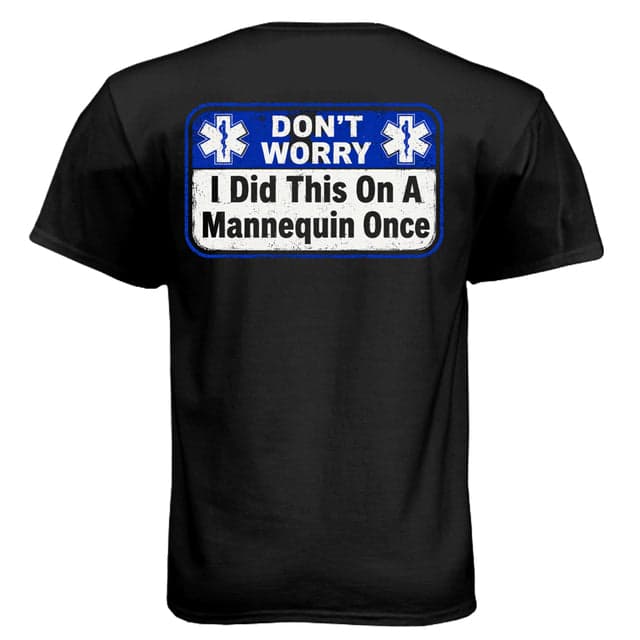 I Did This On A Mannequin OnceMedical Gear Outfitters · $21.38
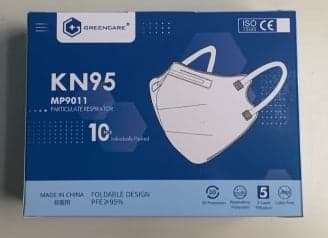 KN95 FACE MASKS - (50 PACK) GREENCARE BRANDN95 Medical Supplies · $39.99
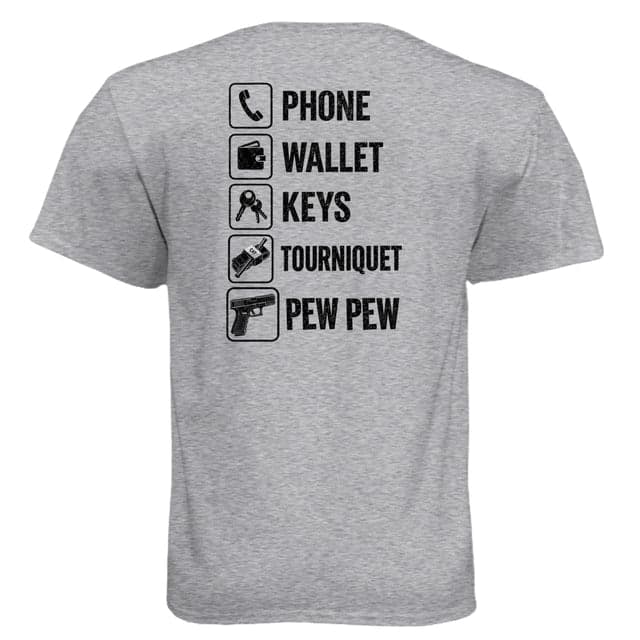 EDC PEW PEWMedical Gear Outfitters · $21.38
Best pick for most people
For the typical household or small office, a mid-range kit with 100–200 pieces in a durable plastic or fabric case strikes the right balance. Medical Gear Outfitters offers kits at various tiers that emphasize durability and practical organization, with clear labeling and compartments that keep supplies accessible when stress is high. Look for kits that include sterile gauze, antiseptic wipes, several sizes of adhesive bandages, medical tape, disposable gloves, instant cold packs, and a digital thermometer. A wall-mountable or shelf-stable case ensures the kit stays visible and ready. Most people never need the advanced trauma supplies, so avoid overpaying for features you will not use; instead, prioritize replaceable supplies that refresh every two years and a case that survives repeated handling.
Best pick on a tight budget
If you are starting from scratch with limited funds, buy a compact kit under USD 30 first, then add specific items later as your budget allows. Budget kits typically contain adhesive bandages, small gauze pads, antiseptic wipes, a few key tools like scissors and tweezers, and basic pain relievers. The tradeoff is reduced durability and fewer specialized items, but a budget kit still covers the most common minor injuries. Medical Gear Outfitters carries entry-level options that give you a working foundation without waste. To extend value, store your kit in a cool, dry place away from direct sun, check it twice yearly for expired items, and replace supplies as you use them. A USD 20 kit replaced every other year costs less annually than buying premium gear you never fully utilize.
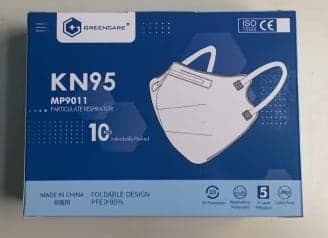 KN95 FACE MASKS - (20 PACK) GREENCARE BRANDN95 Medical Supplies · $19.99
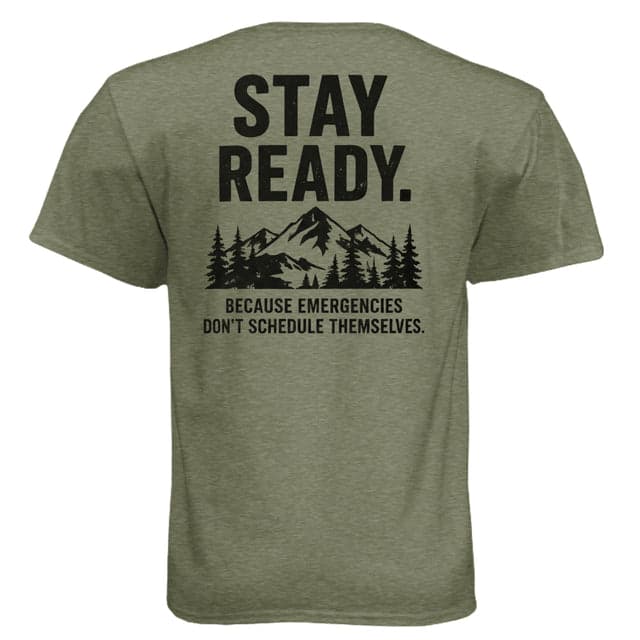 Stay ReadyMedical Gear Outfitters · $21.38
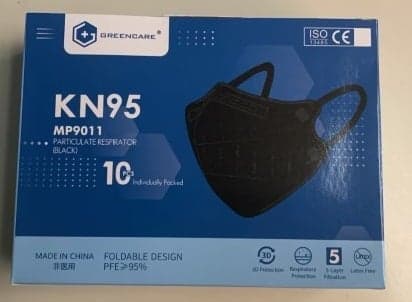 KN95 Black Face Mask (50 Pack) GREENCARE BRANDN95 Medical Supplies · $39.99
Best pick when you want extra features
Premium first aid kits justify higher prices with military-grade materials, advanced supplies, and thoughtful design. Medical Gear Outfitters' higher-tier offerings include modular compartments, quick-release straps, trauma shears with serrated edges that cut thick clothing, professional-grade gauze, hemostatic products for serious bleeding, and chest seals for penetrating injuries. The case materials matter: Cordura fabric or ballistic nylon resists water, abrasion, and repeated use far better than plastic. YKK zippers and magnetic closures open one-handed in dim light or panic. Premium kits also include more comprehensive medications—not just pain relief, but antihistamines, antacid tablets, and topical treatments for burns or rashes. If your work or hobbies put you at genuine risk or you want a kit to survive a decade of use, the extra cost buys real peace of mind and tools that perform when stakes are high.
What specs and materials actually separate quality options?
Container durability is the first difference you will feel. Stainless steel cases are heavy but indestructible in fixed installations; plastic cases are lightweight but crack under stress or temperature swings; fabric bags like Cordura or ballistic nylon offer the best balance—water-resistant, durable zippers (especially YKK brand), and light enough for portability. Fasteners matter too: quality kits use strong zippers and magnetic or snap closures, while cheap kits use flimsy plastic catches that fail quickly. Inside, gauze thickness varies widely. Professional-grade pads are multi-ply and hold up to pressure application, while thin gauze tears during use. Scissors and tweezers range from flimsy plastic to stainless steel; you want metal tools because plastic breaks when you need them most. Expiration dates appear on antiseptic solutions, sterile wrappings, and medications—longer shelf lives (3–5 years) mean fewer replacement cycles. Cordura-lined interior pockets prevent supplies from shifting and degrading. Workplaces often need ANSI/ISEA Z308.1 compliance, which defines Class A (basic) and Class B (intermediate) kits by exact contents and packaging standards.
What is safe to skip, and where marketing misleads shoppers?
Avoid kits packed with redundant items like five identical pain relievers or novelty tools you will never use. Many budget kits bulk up with flashy but useless extras—glow sticks, emergency whistles, or cheap sunscreen—that distract from core supplies. You do not need expensive ointments branded as 'advanced' if plain antibiotic ointment does the job; check the active ingredient, not the marketing name. Skip kits with expired shelf dates already printed on the case; fresh supplies cost the same and work longer. Avoid kits with only one size of bandage or gauze; injuries vary, and flexibility matters. Do not buy kits based on piece count alone—a 300-piece kit filled with duplicate items is worse than a 100-piece kit with thoughtful variety. Marketing often pushes 'all-in-one' kits for multiple uses; instead, own a dedicated home kit and a separate car kit rather than one awkward compromise. Finally, oversized workplace kits often waste money on supplies you will not use; match kit size to your actual workplace size and documented risks.
When do first aid kit prices drop, and what discounts realistically cover?
First aid kits see moderate price cuts during spring (March–April) as workplaces prepare for summer activities, and again during back-to-school sales in July and August. End-of-year clearance (November–December) moves previous seasons' stock, though the discount is usually 10–15% rather than dramatic. Black Friday and Cyber Monday occasionally feature kits at 20–25% off, but these sales often bundle items or highlight lower-quality options to hit a price point. Buying direct from manufacturers sometimes offers volume discounts if you need multiple kits, though shipping costs often erase savings for single units. Subscription services for first aid kit restocking exist but rarely save money; instead, you can buy refill packs for expired or used supplies at lower cost than replacing the entire kit. Medical insurance, HSA accounts, and workplace wellness programs sometimes reimburse kits classified as preventive health, so check your plan before buying. Seasonal promotions tied to specific events (camping season, back-to-school, workplace safety week) are more reliable than general sales. Do not chase small savings at the expense of durability or quality; a slightly more expensive kit that lasts five years beats replacing a cheap one every two years.
What mistakes should shoppers avoid with first aid kits?
The biggest mistake is buying a kit and never opening it again until someone is injured. Supplies expire—especially sterile wrappings, antiseptic solutions, and medications. Check your kit every six months and replace any items past their expiration date. Many shoppers also ignore their personal needs; a kit for someone with severe allergies must include their antihistamine, and a parent of a diabetic child needs glucose tablets. Another common error is choosing a kit based on piece count rather than actual contents; a 300-piece kit with dozens of duplicate bandages is worse than a thoughtfully assembled 100-piece option. Overstuffing a kit with items you will never use makes it bulky, hard to navigate in a crisis, and a waste of money. Some people buy a single 'universal' kit for home, car, and hiking, which satisfies none of those needs well; you will save money and stress with two or three smaller, purpose-built kits. Finally, lack of training undermines the best kit. A well-stocked kit is useless if no one knows how to use a tourniquet or apply pressure correctly; invest time in online first aid training or community workshops that teach basic skills. Check expiration dates on your kit twice yearly and rotate stock if items are approaching their shelf-life end.
Our top picks

Medical Gear Outfitters75% off
Offers pre-assembled kits from small household options to professional-grade trauma kits, emphasizing durability and practical organization with clear labeling.
Shop Medical Gear Outfitters →15 Medical Gear Outfitters coupons →
N95 Medical Supplies50% off
Specializes in protective equipment and respiratory supplies useful as supplements to standard first aid kits for additional safety coverage.
Shop N95 Medical Supplies →18 N95 Medical Supplies coupons →
Everlywell30% off
Provides at-home health monitoring and virtual care access, complementing first aid kits with professional medical guidance when needed.
Shop Everlywell →16 Everlywell coupons →CRI Genetics69% off
Offers health insights through DNA testing that can help identify personal medical risks to consider when customizing first aid kit contents.
Shop CRI Genetics →15 CRI Genetics coupons →Frequently asked questions
How often should I replace first aid kit supplies?
Check your kit every six months and replace any items past their expiration date. Most sterile wrappings, antiseptic solutions, and medications expire within 2–5 years. A household kit typically needs refreshing once yearly; workplace kits should be checked quarterly if actively used.
What size first aid kit do I actually need?
A single person needs a compact 20–50 piece kit for travel. A household of 4 needs 100–200 pieces with duplicate items. Workplaces follow ANSI standards: Class A for basic needs, Class B for higher-risk environments. Avoid oversizing; a well-chosen 80-piece kit beats a poorly organized 300-piece one.
Is a premium first aid kit worth the extra cost?
Yes, if you face genuine risks—wilderness activities, high-risk workplaces, or decades of use. Premium kits feature military-grade materials, professional tools, and advanced supplies like hemostatic gauze. A budget kit refreshed every two years may cost less annually, but premium kits survive neglect and perform under stress better.
- https://gearjunkie.com/outdoor/best-first-aid-kit
- https://www.cnn.com/cnn-underscored/reviews/best-first-aid-kits
- https://medicalgearoutfitters.com/blogs/firstaid/first-aid-kit-supplies
- https://sparkmedical.co.uk/small-but-mighty-changes-to-workplace-first-aid-in-2026/
- https://www.thehealthy.com/first-aid/common-first-aid-mistakes/
- https://n95medicalsupplies.com/