
The core distinction: single blade versus multi-blade
Safety razors hold a single double-edged blade between a fixed head, while cartridge razors use a handle with a pivoting head containing multiple stacked blades. Safety razors have been around since the early 1900s and remain largely unchanged in principle—you replace the blade when dull. Cartridge razors, popularised over the last few decades, offer convenience through their pivoting design and built-in lubricating strips. The fundamental trade-off is control and cost (safety razor) against speed and ease (cartridge). Many shavers transition from cartridge to safety razors after realising the long-term savings and reduced skin irritation, but others stick with cartridges for their forgiving design and minimal technique required. Both deliver a clean shave when used correctly; the choice depends on whether you prioritise economy and precision or convenience and familiarity.




Performance: closeness of shave and irritation
Safety razors typically deliver a closer shave because a single, sharp blade requires fewer passes over the skin, which reduces the cumulative irritation that multiple blades can cause. Cartridge razors, designed to pivot and follow facial contours, prioritise even blade contact over closeness, and their multiple blades sometimes tug at hair rather than cutting cleanly. For sensitive skin, the single blade of a safety razor is often gentler because it minimises the number of times the skin is scraped. However, cartridge razors include lubricating strips that reduce friction and may feel smoother during the shave itself. The key difference: safety razors demand proper technique—correct blade angle and minimal pressure—to avoid irritation, while cartridge razors are forgiving of poor technique thanks to their design. Brands like Shoreline Shaving and ZOMCHI supply high-quality safety razors and blades for those seeking a precision shave, while HeadBlade offers both safety and cartridge-style options depending on your preference.
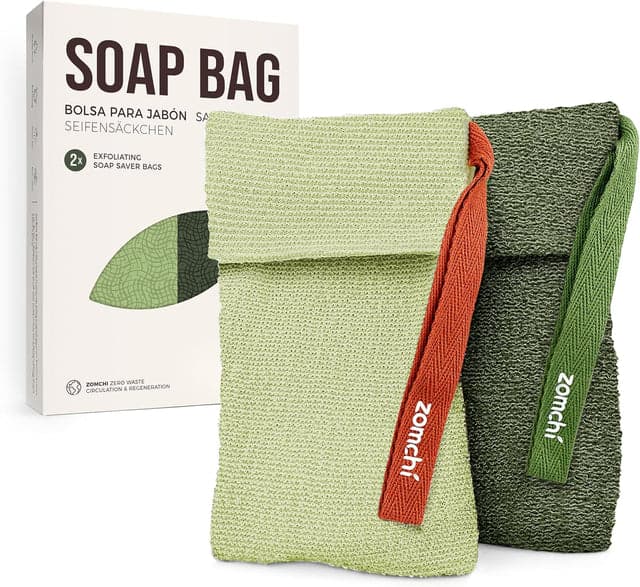 ZOMCHI Exfoliating Bar Soap Pouch, 2 Pack Soap Bags with Coarse & Gentle Mesh for Effective Exfoliation, Soap Saver Bags for Rich Lathering and Deep Cleansing (ZOMCHI · $12.99
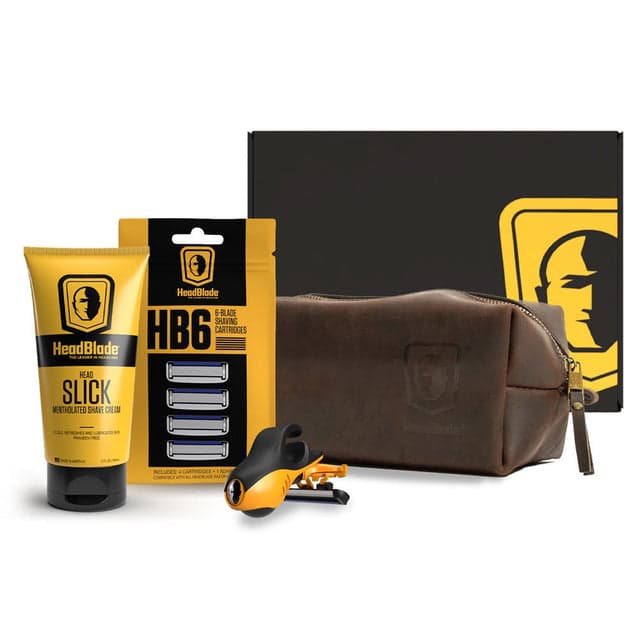 Essentials Kit with Leather Dopp BagHeadBlade · $59.99
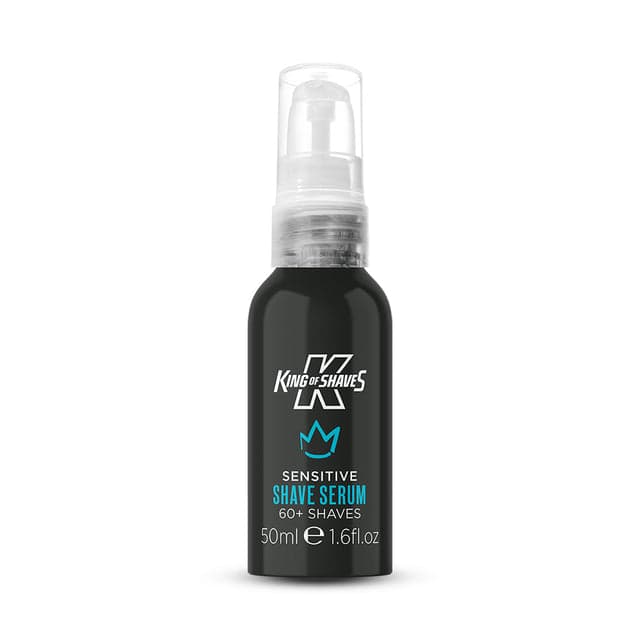 Sensitive Shave Serum (50ml)Shave With V · $9.00
Ongoing cost: blades and replacements
This is where safety razors win decisively. A safety razor blade costs between £0.50 and £1 (roughly $0.60 to $1.20 USD), while a cartridge refill typically runs £3–£4 or $3–$4 per unit. Over a year, if you shave twice weekly and replace a blade every two weeks, a safety razor user spends roughly £15–£20 annually on blades. A cartridge user spending the same amount buys fewer than six replacements. After two years, the savings compound: safety razors cost more upfront (typically £20–£80 for a decent handle), but after 18 months of use, they become cheaper. The initial handle is durable—many last decades—so your subsequent cost is purely blades. Shave With V and Shoreline Shaving both supply affordable blade packs, allowing you to stock up in bulk at lower per-blade prices. Cartridge razors require a lower initial outlay but lock you into ongoing cartridge purchases at premium prices.
Space, storage and travel considerations
Safety razors occupy minimal space; a razor head and a small blade tin fit easily into a bathroom cabinet drawer or a toiletries bag. The blade itself is a thin metal wafer, and replacement blades weigh almost nothing. A full year's supply of blades takes up less volume than a single cartridge multi-pack. Cartridge razors demand more space because each refill is a bulky plastic cartridge, and a year's supply requires a larger storage footprint. For travellers, safety razors are superior: a handle and a handful of blades slip into a carry-on, whereas TSA and other aviation authorities prohibit loose safety razor blades in carry-on luggage (though many allow them in checked bags). ZOMCHI and other suppliers offer compact travel-sized safety razor kits that fit into a small pouch. Cartridge razors are awkward for travel because you cannot easily carry spare cartridges in hand luggage, and replacement cartridges are bulky and heavy relative to their cost. If you travel frequently, a safety razor saves baggage space and avoids the hassle of sourcing replacement cartridges abroad.
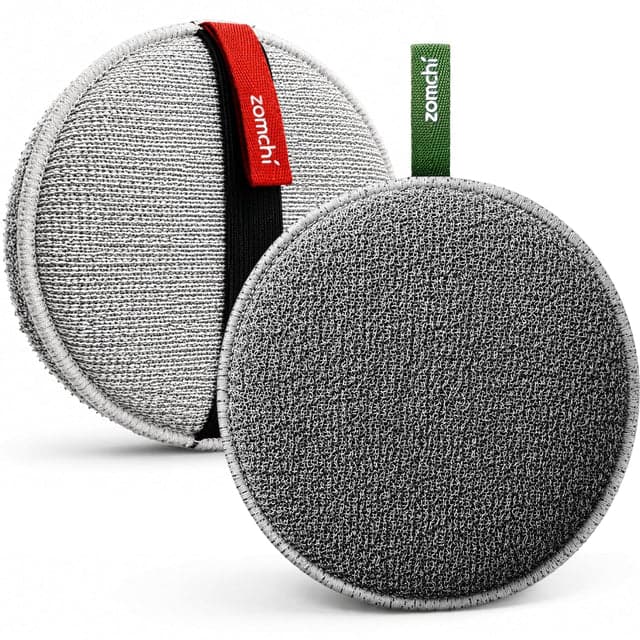 ZOMCHI Extra Large Exfoliating Body Scrubber, Dual-Texture Shower Sponge for Smoother Skin, Gentle & Rough Body Exfoliator Sponge, Bigger Dead Skin Exfoliator fZOMCHI · $13.99
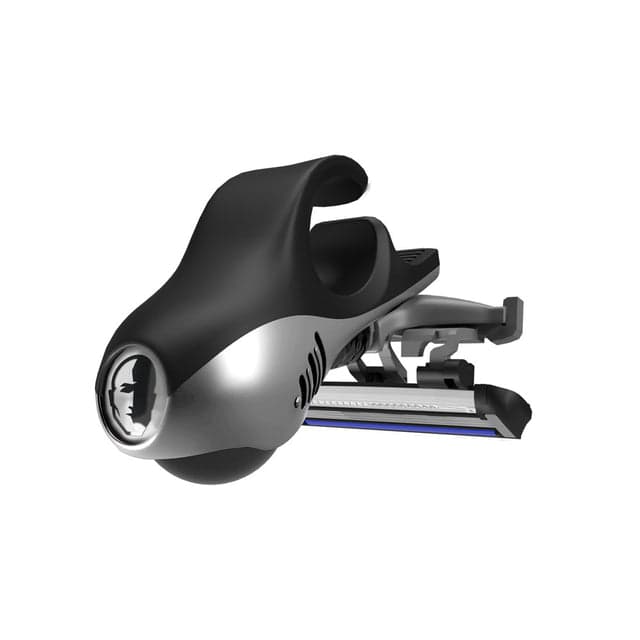 MOTO Steel - Gunmetal GreyHeadBlade · $79.99
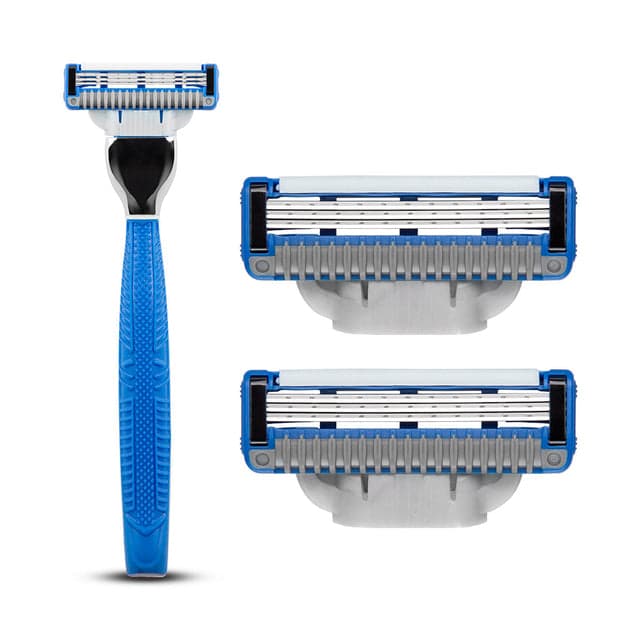 K3 Three Blade Razor & 2 CartridgesShave With V · $12.00
Choose a safety razor if you prioritise savings and control
Select a safety razor if you're willing to invest time learning proper technique and value long-term economy. They suit people who shave regularly and want to reduce monthly expenses, those with sensitive skin who react to multi-blade irritation, and shavers who enjoy precision and control. Safety razors also appeal to environmentally conscious buyers because you discard only a thin metal blade rather than an entire plastic cartridge. The learning curve is real—most users need two to four weeks to feel comfortable—but the result is a more intentional shaving ritual. Brands like Shoreline Shaving offer both starter kits and standalone razors at various price points, making it easy to enter the safety razor world without spending a fortune. HeadBlade provides specialist designs and shaving creams that complement the technique. If you're prepared to spend 5–10 extra minutes on shaving and want to cut your annual blade spend dramatically, a safety razor is the right choice.
Choose a cartridge razor if speed and simplicity matter most
Cartridge razors suit people who shave quickly in the shower, prefer minimal technique, and value convenience over cost. They work well if you have a low budget for an initial purchase, travel infrequently, or dislike the idea of a learning curve. The pivoting head does the work for you, adjusting to the contours of your face and neck, so even if your angle is imperfect, the razor adapts. Shaving takes less time, and there's virtually no maintenance beyond rinsing. Cartridge razors remain widely available in supermarkets and pharmacies worldwide, so replacement cartridges are easy to find while travelling. If you've used one for years and are comfortable with the ritual, switching brings no tangible benefit. The drawback is long-term cost: after three to five years, a cartridge user spends significantly more than a safety razor user. However, if you only shave occasionally or are happy paying the premium for simplicity, cartridges make sense. Shave With V and similar brands sell cartridge systems, though our focus here is primarily on safety razor alternatives that offer better value.
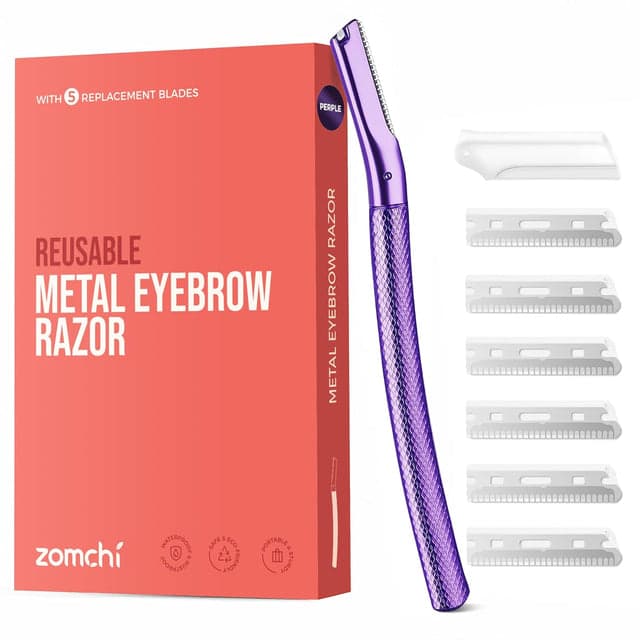 ZOMCHI Eyebrow Razor, Face Razors for Women&Men, Eyebrow Trimmer Shaper with Precision Cover, Facial Shaver with 6 Blades (Purple)ZOMCHI · $11.99
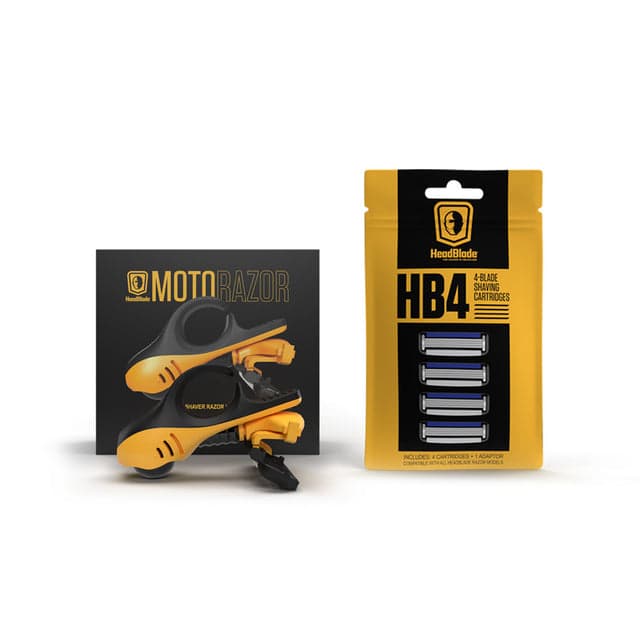 Moto Basics Kit (Moto + HB4 Refill Cartridges)HeadBlade · $24.99
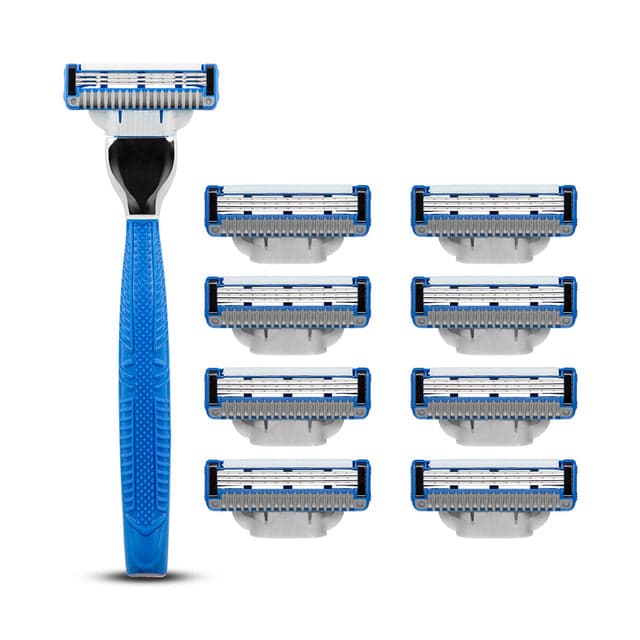 K3 Three Blade Razor & 8 CartridgesShave With V · $24.00
Owning both: when it makes sense, when it does not
Some shavers own both a safety razor for daily shaving and a cartridge razor for travel or quick shaves on busy mornings. This setup costs more upfront but provides flexibility. However, most people find that owning both is unnecessary: once you adapt to a safety razor (typically three to four weeks), you rarely want to switch back, and keeping both requires storage space and duplicated products (shaving cream, aftercare). If you travel once or twice yearly, it's cheaper to buy a small pack of cartridges when you arrive than to maintain a second razor system year-round. Conversely, if you travel monthly for work, a lightweight safety razor kit justifies keeping both. The decision hinges on frequency: occasional travel favours a single safety razor, while frequent travel might warrant owning both. For most home shavers, investing in a quality safety razor and committing to it for six months is smarter than hedging your bets with two systems. The opportunity cost of storage, maintenance, and deciding which to use each morning outweighs the hypothetical convenience of a backup.
When to buy and how to find discount codes
Safety razor prices are relatively stable year-round, with few seasonal sales, but blade bundles often drop during January (New Year resolutions) and September (back-to-school grooming). Cartridge razor prices fluctuate more, with major retailers discounting multi-packs during holiday promotions (November, December) and summer. Watch for bundle deals that include a razor handle plus a year's worth of blades; these often represent better value than buying separately. Online retailers sometimes offer first-purchase discount codes (typically 10–15% off), and loyalty programmes reward repeat blade buyers. Shoreline Shaving, ZOMCHI, and other brands frequently run limited-time promotions on their websites—signing up for their newsletters gives early notice. Bulk blade purchases (buying three or six months' supply at once) usually reduce per-blade cost compared to monthly orders. Avoid buying the absolute cheapest blades; a marginally pricier blade from a reputable brand often performs better and lasts longer, offsetting the small difference in cost. Retail chains stock cartridge razors at more competitive prices than speciality shaving retailers, so if you're committed to cartridges, supermarket purchases beat online.
Common mistakes when choosing between the two systems
The biggest error is buying an ultra-cheap safety razor as a first razor and then concluding that safety razors don't work. A razor costing £5 will disappoint; a mid-range option (£25–£50) performs dramatically better and is more forgiving while learning. Beginners also apply too much pressure, treating a safety razor like a cartridge—the blade's weight does the work, and your hand merely guides it. Another mistake is buying a bulk year's supply of blades before test-driving the razor; some blades suit certain skin types while others cause irritation, so order a sampler pack first (five to ten blade varieties) to find what works before committing to 100 blades of the wrong type. Assuming that expensive equals better is another pitfall: mid-priced razors (£30–£60) consistently outperform luxury models for most shavers because they balance aggressive blade exposure with forgiveness. Finally, many people overestimate the learning curve and abandon a safety razor after two weeks; expect four to six weeks before the technique feels natural. Shave With V and HeadBlade both provide beginner guides with their products to help avoid these missteps.
Our top picks

Shoreline Shaving40% off
Supplies affordable safety razors, blade sampler packs, and shaving soaps at GBP 4–90, ideal for beginners testing the method.
Shop Shoreline Shaving →15 Shoreline Shaving coupons →
ZOMCHI35% off
Offers complete razor sets and blade cartridges at USD 12–63, providing bundles that simplify the transition from cartridge shaving.
Shop ZOMCHI →15 ZOMCHI coupons →
HeadBlade50% off
Specialises in both safety and modern shaving systems with complementary creams and moisturisers at USD 5–50.
Shop HeadBlade →15 HeadBlade coupons →
Shave With V42% off
Stocks safety razors, replacement blades, and shave gels at GBP 3–46, serving budget-conscious shavers switching from cartridges.
Shop Shave With V →15 Shave With V coupons →Frequently asked questions
How long does it take to adjust to a safety razor?
Most users feel comfortable within four to six weeks of regular shaving. The first two weeks are awkward as you learn blade angle and pressure control, but practice quickly builds muscle memory and confidence.
Which blade type is best for sensitive skin?
Order a blade sampler pack (five to ten varieties) before committing to bulk purchases. Brands like Feather, Derby, and Astra suit different skin types; no single blade is universally best. Test what works for you first.
Can I use a safety razor if I have a thick beard?
Yes, but choose a more aggressive razor design with higher blade exposure. Open-comb heads and adjustable razors suit coarse hair better than mild, closed-comb designs. Pre-shave oil or beard conditioner softens thick growth.
- https://sharpologist.com/safety-razor-vs-cartridge-razors-blog-post/
- https://sharpologist.com/best-de-safety-razor/
- https://www.gentlemansgazette.com/why-de-is-better/
- https://www.fashionbeans.com/article/best-safety-razor-for-men/
- https://www.primandprep.com/safety-razor-vs-straight-razor-lets-see-the-difference/