
What CPAP accessories actually cost, and what counts as a good price
CPAP masks range from $40 to $180 depending on type—nasal masks are cheaper than full-face versions. Tubing costs $15–$50, filters run $10–$30, and other accessories like humidifier chambers or travel bags add another $20–$100. Most users spend $150–$300 annually on consumable supplies alone. A good price on a mask is typically 15–25% below the retail MSRP listed by manufacturers. Prices vary by material quality, brand reputation, and retailer markup. Generic or store-branded masks often undercut premium brands by 30%, but fit and comfort matter more than price when you wear a device eight hours nightly. Lofta and Cpap both carry full ranges of masks, filters, and parts at different price tiers, letting you compare quality at each price point. Don't assume the cheapest option is a bargain—a mask that doesn't fit costs nothing if you never use it.




When do CPAP accessory prices drop the most?
Three seasonal windows offer the biggest price reductions on CPAP supplies. Black Friday and Cyber Monday (late November) bring discounts of 20–40% on masks, tubing, filters, machines, and travel bags. September sales around respiratory awareness and October sales during Healthy Lung Month typically offer 15–25% reductions on most items. Holiday sales in December provide moderate discounts on select products. Winter months see higher sales activity overall because people renew insurance benefits or resolve post-summer sleep issues after months of disrupted sleep. Spring and summer typically have fewer promotional events and smaller discounts. Subscription services sometimes offer ongoing discounts of 5–10% but charge membership or commitment fees. If you need supplies urgently, accept full price; if you can wait, planning around November and September saves the most money compared to paying retail year-round.
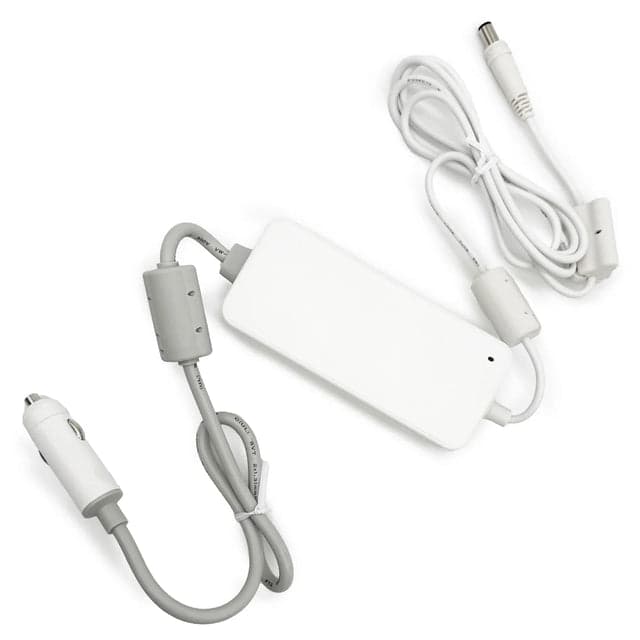 Luna G3 DC Power AdapterLofta · $89.00
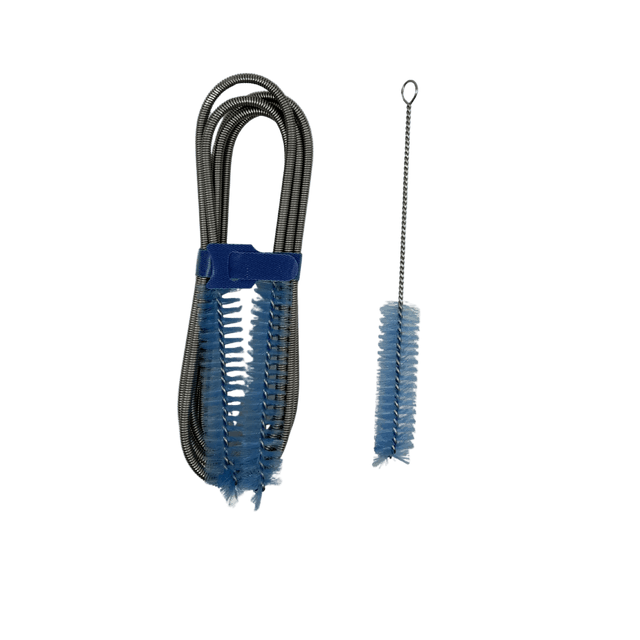 sleeping.com CPAP Tube Cleaning Brush SetCpap · $9.99
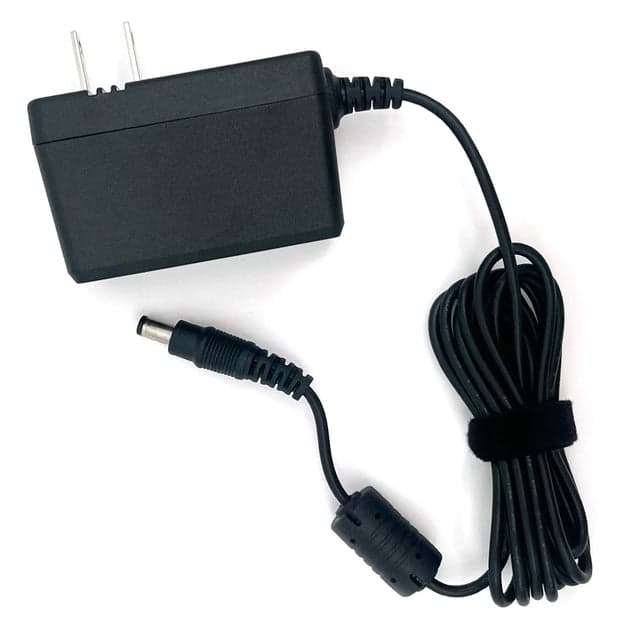 Luna TravelPAP AC Power AdapterLofta · $54.00
Where does the actual savings come from when buying CPAP accessories?
Clearance items, bundles, and open-box products offer the deepest discounts. Clearance sections stock last season's styles or overstocked models at 30–50% off because retailers need shelf space. Bundle packages combining a mask, tubing, and filters sell at 20–35% below individual prices; bundles lock you into compatible brands but save money if you were buying those items separately anyway. Open-box or refurbished accessories (especially machines) discount 25–40% because they were returned, opened, or used as display units; they work identically to new items but carry lighter warranties. Outlet sections on major retailer sites stock discontinued models and surplus inventory at 25–45% off. Subscription discount programs offer 5–15% recurring savings on regular refills but require automatic shipping setup. Coupon codes typically give 10–20% off but often exclude clearance and sale items already discounted. Bundles deliver the most realistic savings because you avoid paying full price on any component.
What does a CPAP discount code actually cover, and what doesn't it cover?
CPAP coupon codes almost always cover masks, tubing, filters, humidifier chambers, replacement pads, and headgear. Some codes extend to machines and travel bags. Most discount codes never apply to insurance-covered orders—insurance processes reimburse separately and retailers cannot layer discounts on top. Codes typically cannot be combined with other active promotions or sales, so a 10% code won't stack on top of a clearance discount. Warranties, protection plans, and subscription memberships are usually excluded. Selected items flagged as final sale or clearance often exclude coupon application. Lofta explicitly details which items accept codes; Cpap similarly restricts codes on certain bundles. Read the terms before checkout—many retailers show the discount applied only if the code qualifies, and cashback sites sometimes void rewards if you use a coupon code instead. Some codes work only for first-time customers or minimum orders (e.g., $50 minimum). The safest approach: check whether a clearance item or bundle already represents better savings than a code would deliver.
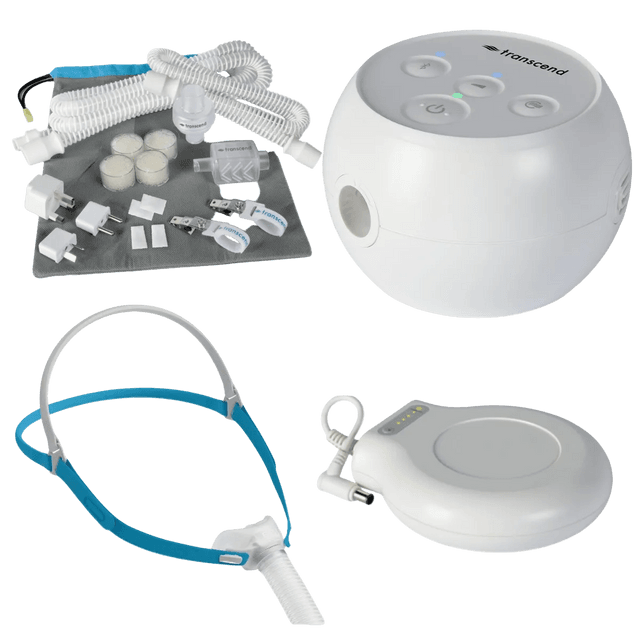 Transcend Micro 510 with F&P Nova Micro Complete Travel BundleCpap · $1300.00
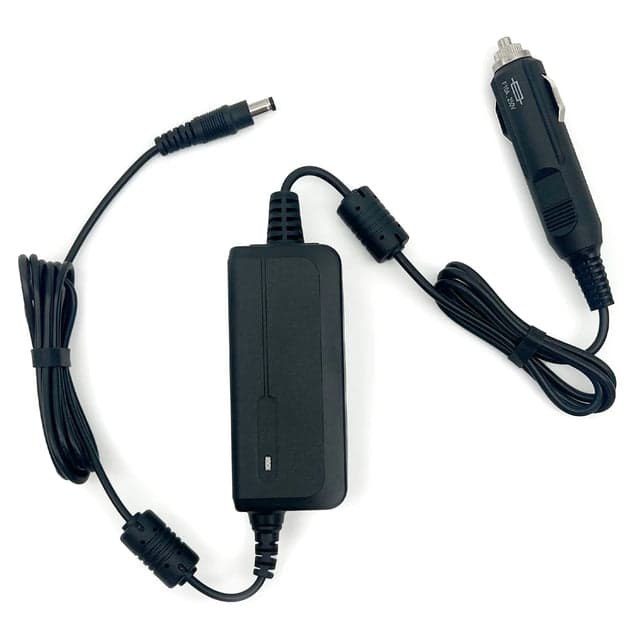 Luna TravelPAP DC AdapterLofta · $89.00
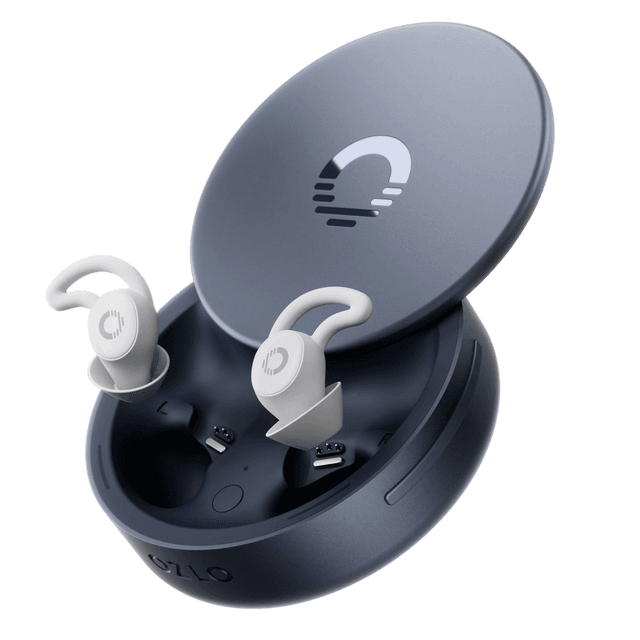 Ozlo Sleepbuds® 2 - Precision Noise-Masking Sleep EarbudsCpap · $279.00
Should you buy CPAP accessories now or wait for a sale?
Time your CPAP accessory purchases around three clear signals. If you are down to fewer than two weeks of supplies (masks, filters, or tubing), buy now even at full price—running out is worse than paying retail. If the current season offers an active sale event (Black Friday, September sales, Healthy Lung Month) within two weeks, wait for it; the 20–30% discount justifies a short delay. If you are stocked for four or more weeks, hold and watch for the next seasonal event; CPAP supplies do not expire quickly (masks last 6–12 months, filters last 3–6 months) so buffer stock pays off. Check whether your insurance benefit resets annually; many plans include a new-equipment allowance on January 1 or after your deductible resets. If that date is within 30 days, wait to claim the full benefit and use out-of-pocket savings on non-covered items. Refurbished machines offer 25–40% savings year-round, making them worth buying whenever you need a replacement—new machines rarely discount significantly. Subscribe to newsletters from Cpap and Lofta to catch flash sales before they appear on comparison sites; early access often beats competing codes.
Which retailers carry the full range of CPAP supplies you need?
CPAP accessories are sold through both direct-from-manufacturer retailers and independent suppliers. Lofta carries masks, mask parts, filters, cleaning supplies, and power solutions across major brand compatibility; their pricing runs $13–$750 depending on product tier. Cpap stocks auto-adjusting machines, cushions, mask parts, cleaning supplies, and travel bags with pricing from $9–$1,123. Both retailers ship nationwide and accept insurance claims when applicable. Walmart online carries basic CPAP supplies including masks, tubing, and cleaning wipes at competitive retail pricing. Specialized CPAP retailers focus on brand-specific products and offer subscription services for regular replacements. Local medical supply pharmacies and sleep clinic affiliates often price-match online retailers and allow in-person fitting for masks, reducing returns. Insurance claims should go directly to your sleep clinic or the DME provider your insurance specifies, as they negotiate the lowest rate for you. Start with Lofta or Cpap for broad selection and seasonal discounts, then compare local options if you need fitting help.
- Lofta: masks, parts, filters, cleaning, power ($13–$750)
- Cpap: machines, cushions, mask parts, travel bags ($9–$1,123)
- Walmart: basic masks, tubing, wipes at retail pricing
- Local sleep clinics: in-person fitting and price matching
- Insurance DME providers: lowest negotiated rates for claims
What affordable CPAP accessories give you real value?
Budget CPAP accessories deliver solid performance without the premium-brand price tag. Budget nasal masks under $80 and full-face options under $120 use the same seal technology as $150+ versions; fit and comfort matter far more than the brand name. Tubing bundles combining standard and heated options cost $25–$40 for a pair, versus $50+ for a single heated tube alone. Filter packs of 12 disposable filters run $15–$25 monthly, making reusable washable filters a smarter long-term choice even though they cost slightly more upfront. Lofta's entry-level mask selection keeps quality high while cutting price; their masks paired with standard tubing and filters give new users a chance to find their preferred style without committing $300+ to high-end options. Cpap offers similar affordability on cushions and replacement parts, which cost far less than full masks but extend the life of your current headgear. Travel bags and humidifier chambers from either retailer run $20–$50 and dramatically reduce damage during transport. The false economy is buying the cheapest generic mask online and discovering it does not fit; fit issues force you to buy a second mask weeks later. Start with a mid-range option ($70–$100) from either Lofta or Cpap, test it for two weeks, then commit to backups.
Which CPAP bargains actually cost more money over time?
Some CPAP purchases appear cheap but drain your wallet through forced replacements and waste. Ultra-budget masks under $30 often feel uncomfortable or leak, leading users to abandon therapy or buy multiple sizes before finding one that works—three failed masks at $30 each cost more than one $90 mask you actually use. Unbranded tubing and filters from unknown sellers lack quality control, so they crack, degrade, or clog prematurely. A $12 knockoff filter that clogs after three weeks costs more per month than a $20 genuine filter lasting six weeks. Buying masks in the wrong size to save on trial-and-error shipping costs you return hassles and replacement fees if retailers do not accept size returns. Open-box machines with incomplete warranties can fail and leave you without therapy during critical repair periods; the 25% savings evaporates if you must buy a new machine six months later. Purchasing accessories from overseas sellers with unclear return policies locks you into items you cannot replace if they arrive damaged. Lofta and Cpap both accept returns on most items within 30 days, protecting you if a mask does not fit; this safety margin is worth the few dollars extra compared to no-return sellers. The rule: if a deal seems suspicious (suspiciously low price, unclear brand, no return address), it probably is.
- Ultra-cheap masks under $30 (poor fit, high return rates)
- Unbranded tubing and filters (clogging, early failure)
- Wrong-size masks to avoid shipping (return fees, hassle)
- Open-box machines without warranty (risk of failure)
- Overseas sellers with no clear return policy
How do you lock in savings on CPAP supplies every month?
Build one daily habit and two yearly checkpoints to never overpay. Each week, check your mask fit and filter condition; knowing exactly what you need next week beats panic-buying at full retail. One day per month, spend three minutes reviewing your current CPAP retailer's homepage and email newsletter for flash sales and clearance markdowns. Screenshot sales that apply to your next planned purchase so you catch the exact window. Set a calendar reminder 30 days before your insurance annual reset (usually January 1) to plan bulk purchases around that date, because claims reimburse faster and freed-up benefits go to CPAP supplies rather than other health costs. Two weeks before Black Friday each November, add your next three months of needed accessories to a cart on Cpap or Lofta and wait for the sale to finish checkout—most major retailers hold prices in carts for 48 hours, securing the discount before supply runs out. Join Lofta's and Cpap's loyalty or newsletter programs for exclusive member discounts (usually 10–15% off select items monthly). Screen your inbox for September and October sales six weeks in advance by following both retailers on social media. Once annually, call your sleep clinic and ask if they stock supplies at a discount as part of patient support; many provide 15–20% pricing to follow-up patients. This routine costs five minutes weekly and saves $50–$150 annually.
Our top picks

Lofta40% off
Carries masks, mask parts, filters, power solutions, and cleaning supplies. Price range $13–$750 with seasonal discounts. Ships nationwide and accepts insurance claims.
Shop Lofta →15 Lofta coupons →
Cpap32% off
Stocks cushions, pillows, mask parts, machine components, cleaning supplies, and travel bags. Price range $9–$1,123. Offers subscription discounts and strong return policy on accessories.
Shop Cpap →19 Cpap coupons →Frequently asked questions
Do CPAP coupon codes work on insurance-covered orders?
No. Coupon codes and promotional discounts cannot be applied to insurance-covered orders. Insurance reimburses separately, and retailers are prohibited from stacking discounts. Pay through insurance first, then use codes on out-of-pocket purchases.
How often should I replace CPAP masks and filters?
Masks should be replaced every 6–12 months with regular use. Disposable filters last 2–4 weeks; reusable filters last 3–6 months if washed weekly. Tubing should be replaced every 3–6 months. Budget accordingly when planning annual purchases.
Are refurbished CPAP machines worth buying?
Yes. Refurbished machines are professionally cleaned, tested, and often come with new consumables and warranties comparable to new units. They offer 25–40% savings and perform identically to new. Avoid used machines sold as-is without warranty.