
What's new in mobility scooters this year
Mobility scooter design in 2026 focuses on lighter frames and longer battery range. Manufacturers now use aluminum and carbon-fiber construction to cut weight below 85 kg, making scooters easier to transport and reducing airline baggage fees for travel. Battery technology has improved, with current models covering 12 to 32 miles on a single charge—though real-world range drops in cold weather, on hills, or at higher speeds. Folding mechanisms have become faster and more reliable, with quick-fold systems that operate with one or two hands. Travel-focused models now include removable batteries to meet airline regulations. Safety features like automatic braking and anti-rollover wheels are becoming standard across mid-range options. The main shift is toward practicality: scooters that weigh less, fold faster, and work better outdoors on rough surfaces. For buyers, this means more choice at every price point and better portability without sacrificing stability or power.




Which type of scooter suits you best?
Three main scooter types serve different needs and spaces. Three-wheel scooters are lighter, turn in tighter circles, and cost less, making them ideal for indoor use or navigating hallways and small spaces. Four-wheel scooters provide stability on uneven ground, grass, and gravel—better for outdoor paths and rough terrain, supporting higher weight capacities. Travel scooters fold or disassemble quickly and weigh under 70 lbs, perfect for flights or road trips. Heavy-duty scooters suit users over 300 lbs, with reinforced frames and 1000W motors for steep hills and soft surfaces. Budget models handle basic daily use around the home but offer shorter range and slower speeds. Consider where you'll use your scooter most: tight indoor spaces, outdoor terrain, or frequent travel.
- 3-wheel: lighter, tight turns, indoor use, lower weight capacity
- 4-wheel: stable on rough terrain, higher capacity, outdoor paths
- Travel: folds/disassembles, under 70 lbs, airline-friendly
- Heavy-duty: 300+ lbs capacity, 1000W motor, steep hills
- Budget: home use only, shorter range (8–12 miles), slower speed
 NFC Card Keys for L5 Mobility Scooter|PaiseecPaiseec Mobility Solutions · $30.00
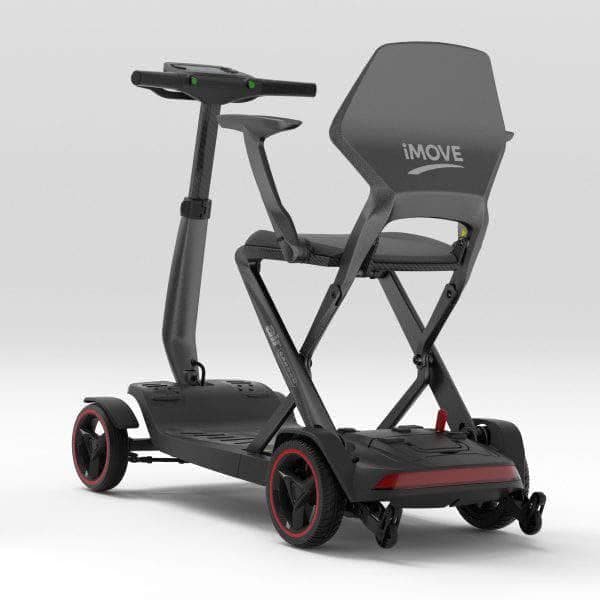 Enhance Mobility iMOVE AirCarbon Folding Mobility ScooterMobilitydepartment · $2899.00
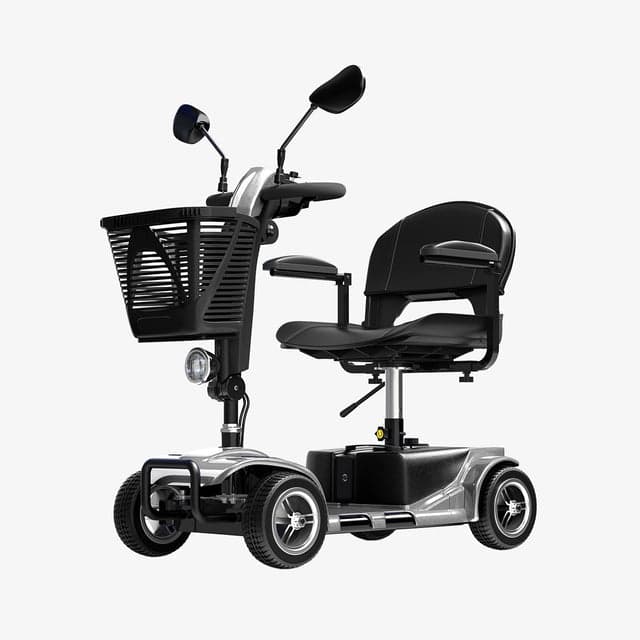 VOCIC D41 Explorer-Swift Upgrade Lightweight Mobility ScooterVocic · $699.99
Best for most people
For the majority of users, a mid-range 4-wheel scooter offers the right balance of stability, range, and price. Paiseec Mobility Solutions offers scooters that combine reliable performance with practical weight and fold-ability, making them suitable for both home and occasional outdoor use. Mobilitydepartment provides a wide range of 4-wheel and 3-wheel scooters at competitive prices, with accessories and support to match different needs. These brands deliver the core features most people need: 10–15 mph top speed, 15–25 mile range, weight capacity between 250 and 350 lbs, and enough clearance for sidewalk cracks and light outdoor paths. A mid-range model typically costs between $1,200 and $2,500, which is more affordable than premium options but includes better components than entry-level scooters. Most users find this tier hits the sweet spot: not overpowered for daily home use, not underpowered for occasional outdoor trips. The build quality is solid enough to last 5–7 years with basic maintenance. If you use the scooter several times a week for mixed indoor and outdoor errands, this category is where you'll find the best value and dependability without unnecessary features you won't use.
Best on a tight budget
Budget mobility scooters start around $500–$800 and handle basic home mobility well. Mobilitydepartment's entry-level options cover daily indoor use—moving between rooms, traveling to nearby stores, or managing outdoor paths for short periods. These scooters typically deliver 8–10 mph top speed and 8–12 mile range per charge, sufficient for a morning at home or a quick trip around the neighborhood. Weight limits usually fall between 220 and 265 lbs. The trade-off: fewer comfort features, slower acceleration, and less robust frames. A budget scooter may weigh closer to 100 lbs, making it harder to load into a vehicle or carry up steps. Batteries are smaller and charge more slowly. Wheels are often solid plastic rather than pneumatic, which cuts maintenance but gives a rougher ride. However, if your needs are genuinely light—short daily distances, smooth surfaces, or mostly home use—budget models serve well and let you try ownership without large expense. Look for folding options even at this price, as portability matters even with limited budgets. Read reviews on user weight and actual range before buying, because underestimating your needs leads to regret. Basic warranty (usually 1 year) and customer service are lower-tier, so check return policies.
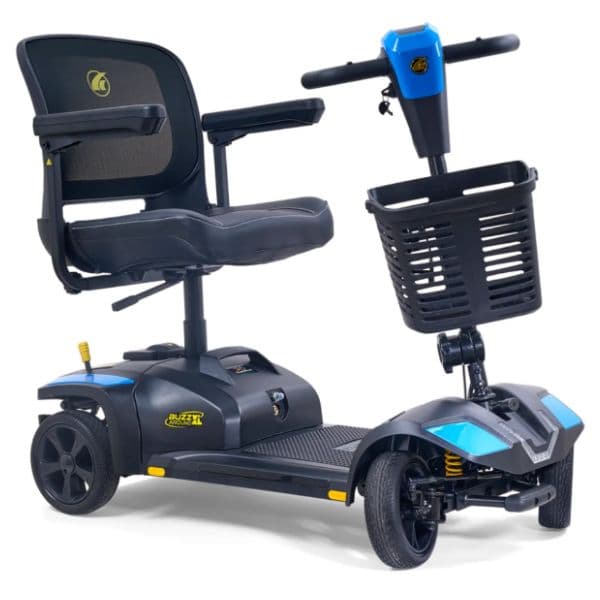 Golden Buzzaround XL Portable Mobility Scooter (GB150)Everlastingmobility · $1700.00
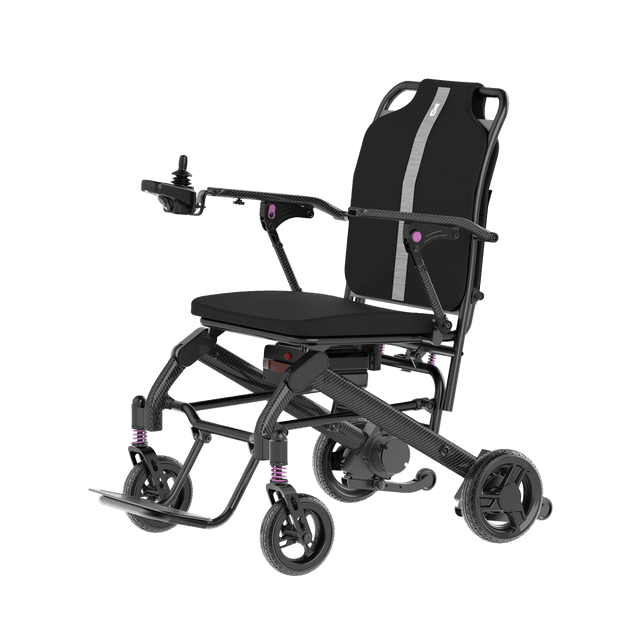 PAISEEC Q3 Carbon|Lightweight Carbon Fiber Electric WheelchairPaiseec Mobility Solutions · $999.00
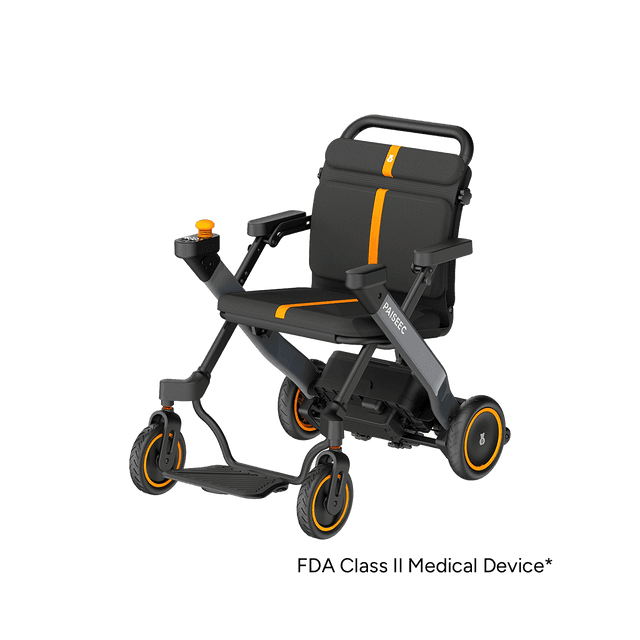 PAISEEC W1 2-in-1 Electric Wheelchair & Rollator – 42 lbs, Folding, Smart Walking SupportMobilitydepartment · $1299.00
Best with premium features
Premium mobility scooters cost $2,500–$3,800 and deliver comfort and capability for demanding use. Everlastingmobility specializes in high-spec models, including 4-wheel scooters with 500 lbs weight capacity, 1000W motors, and 25–32 mile range. These scooters climb steep hills, handle sand and soft grass, and maintain speed on uneven terrain. Seats are wider and more cushioned, suspension absorbs jolts better, and controls are more responsive. Top speed reaches 12–15 mph. Travel versions still fold but use lighter materials and better mechanisms. Premium batteries can handle faster charging and more cycles before degrading. Customer service and warranty are usually 2–3 years, and spare parts are readily available. Many include suspension systems, higher ground clearance, and LED lighting for evening use. Remote controls and speed adjustment settings give finer control. If you travel frequently, use the scooter daily for 20+ miles, or weigh over 300 lbs, premium features justify the price. These scooters often outlast budget models by several years and cause fewer mechanical problems. Vocic also offers durable models at the higher end, combining robust construction with thoughtful design. Premium scooters are an investment in independence if you have demanding terrain or high mileage expectations.
What specs actually matter when choosing?
Weight capacity is the most critical spec—choose a model rated for at least 50 lbs more than your body weight to maintain speed and battery range. Actual range matters more than the label: manufacturer estimates assume flat ground and moderate speed, so subtract 20–30 percent for hills, heavy use, or cold weather. A scooter labeled '20 miles' realistically delivers 14–16 miles in normal conditions. Motor power (measured in watts) affects hill-climbing ability and top speed; 500W suits flat ground, 750W handles gentle slopes, and 1000W tackles steep hills or sand. Ground clearance (the height between the chassis and wheel underside) determines what obstacles you can cross safely; 1.4 inches is adequate for sidewalks, 2+ inches for gravel or soft ground. Wheel type matters: pneumatic (air-filled) tires give a smoother ride but need checking for punctures; solid tires require less maintenance but transfer bumps directly to the rider. Seat width and backrest support affect comfort during long use—try before buying if possible. Battery amp-hours (Ah) indicate charge capacity; two 50Ah batteries last longer than one 100Ah unit under heavy use. Suspension systems absorb road shock and make outdoor riding safer. Turning radius (tighter for 3-wheel scooters) affects maneuverability in tight spaces. Weight itself matters if you transport the scooter regularly; over 100 lbs becomes difficult to load without mechanical help. Read independent reviews for real-world range and comfort reports, not just manufacturer specs.
- Weight capacity: choose 50+ lbs above your current weight
- Real range: subtract 20–30% from manufacturer claims for hills
- Motor power: 500W flat, 750W slopes, 1000W steep terrain
- Ground clearance: 1.4" sidewalks, 2"+ for gravel/soft surfaces
- Wheels: pneumatic smooth but need checks; solid low-maintenance
- Seat comfort: try before buying; width and backrest matter
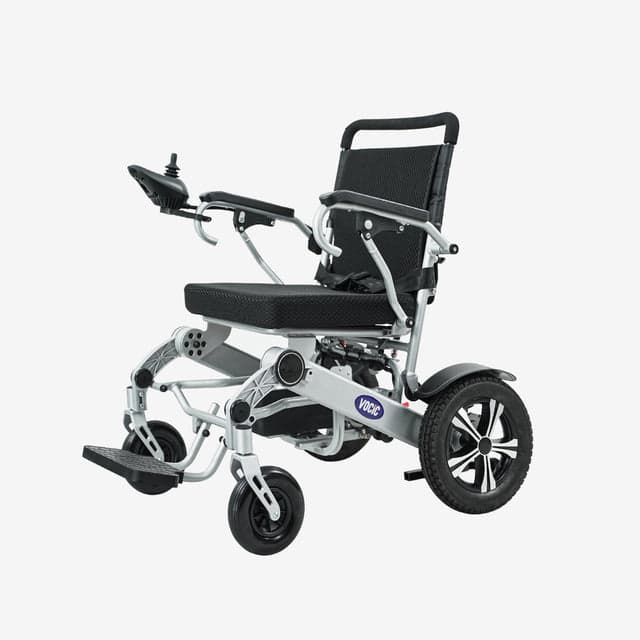 Used VOCIC V53 Lightweight Foldable Power WheelchairVocic · $599.00
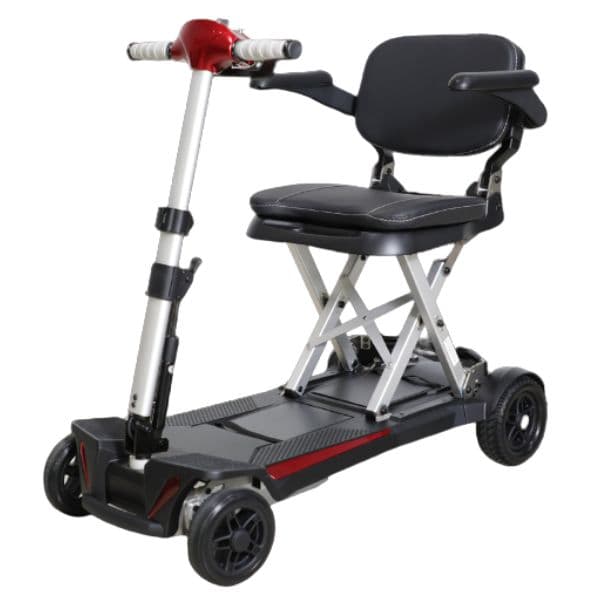 Enhance Mobility Mobifree Folding 4-Wheel Mobility ScooterEverlastingmobility · $1995.00
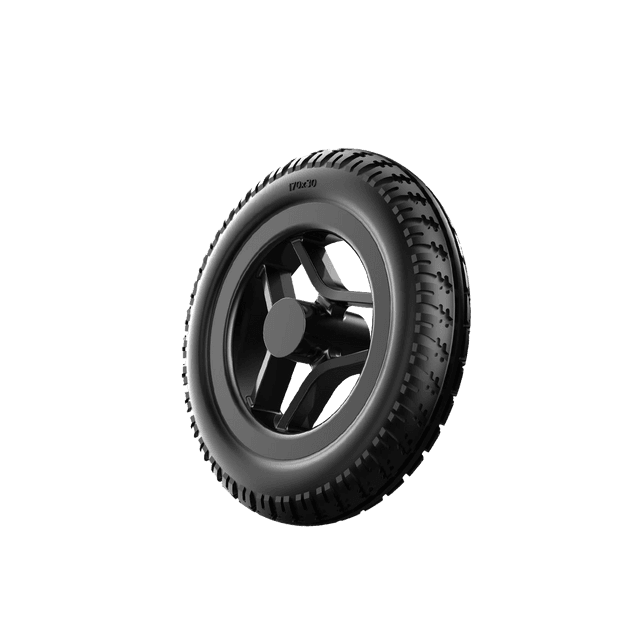 Replacement Tire for Q5 Electric Wheelchair|PaiseecPaiseec Mobility Solutions · $60.00
Where marketing claims fall short
Marketing often overstates range, claiming 25–30 miles when real-world use delivers 15–20 miles. Cold weather, hills, rider weight, and tire pressure all cut range significantly, yet ads show only ideal-condition estimates. Do not assume the range label applies to you unless you live in a warm climate on flat ground. Speed claims are similarly inflated: a 12 mph top speed on flat pavement becomes 8–10 mph on slopes or soft ground. Manufacturers rarely mention that speed adjusts automatically downward as battery charge depletes. Weight capacity numbers often refer to a single spare component rather than actual rider capacity; check detailed specs to confirm the whole scooter is rated for your weight, not just the seat. Comfort claims are vague and untested—'ergonomic design' and 'plush seating' mean nothing without sitting on the scooter yourself. Cheap models advertise 'heavy-duty' frames but use thinner materials; look for frame thickness specs, not buzzwords. Warranty length looks impressive until you read the fine print and discover it covers manufacturing defects only, not wear items like batteries or tires. Some brands promise 'hospital grade' quality without verification; check actual medical certifications if that matters to you. Battery lifespan claims often state 1,000 charge cycles (2–3 years) but assume perfect conditions, proper charging, and moderate use. Do not skip the fine print about what repairs or replacements actually cost after warranty expires. Foldability marketing can hide that a 'compact' scooter still weighs 85 lbs and requires two people to lift.
How to save money on a mobility scooter?
Prices for mobility scooters drop in fall and winter, particularly around November and December, when seasonal demand slows. Some retailers offer 10–40 percent discounts on selected models during Black Friday and Cyber Monday in late November. End-of-year inventory clearance in December clears out previous year models to make room for new releases, so older stock becomes available at reduced prices. Spring and summer bring new product releases, pushing older models down; late August through early September sometimes sees mid-range scooters discounted to move stock before fall. Discount codes vary by retailer and rarely stack with sales, so compare final prices rather than discount percentages. Coupon codes frequently offer 5–15 percent off sitewide, though some retailers exclude sale items. Refurbished or open-box scooters cost 20–35 percent less than new, but verify the warranty covers them and check if the motor or battery have been tested. Rental companies sometimes sell off retired inventory at steep discounts; these scooters are serviced regularly but may have 500+ charge cycles. Buying in bulk for care homes or group orders can unlock special pricing, but this only applies to large purchases. Insurance may cover part of the cost if prescribed by a doctor; check with your provider and keep documentation. Avoid shopping during summer holidays (June–July) when seasonal demand peaks, as prices are highest then. Bundle deals pairing the scooter with batteries, chargers, or accessories can save money versus buying separately, though compare total cost to standalone purchase. Do not chase extremely low prices from unfamiliar sellers; scooters sold below $400 often have hidden defects, no warranty, or arrive damaged, negating savings.
What mistakes should you avoid when buying?
Choosing the wrong wheel configuration is the most common error: buyers select 3-wheel scooters for outdoor use without realizing they tip more easily on uneven ground, or pick 4-wheel models for tiny apartments where they cannot turn around. Visit the space first and mentally trace the scooter's path through doorways and hallways before ordering. Ignoring battery life is another major mistake; a scooter with a 10-mile label cannot reliably reach the store and return home, leaving you stranded. Add 50 percent to your expected daily miles to find a safe range, then confirm that range is realistic by reading independent reviews, not marketing claims. Underestimating weight capacity sounds unlikely but happens when users gain weight over time or when buyers assume a 'large' model suits 300 lbs users when it is rated for 250 lbs; order with headroom above your current weight. Skipping the test drive means you discover the seat is too narrow, the controls feel awkward, or the suspension is too stiff only after purchase; always try before committing. Overlooking hidden costs—batteries cost $200–$500 to replace, tires $100–$300 per pair, and chargers $50–$150—so a cheap scooter can become expensive over time. Neglecting maintenance causes batteries to fail early and brakes to weaken; charge nightly, inspect tires weekly, and wipe clean after wet weather. Buying for your 'best case' use instead of average use leads to regret; if you leave home three times a week, size for daily use, not weekend trips. Trusting warranty claims without reading the fine print means you are surprised to find that damage from weather, drops, or normal wear is excluded. Finally, buying based on looks or brand reputation alone ignores performance; the cheapest option from a known brand may underperform, while lesser-known brands sometimes offer superior value and reliability.
- Wrong wheel type: 3-wheel tips on uneven terrain; 4-wheel won't fit tight spaces
- Underestimating range: add 50% to daily miles to stay safe
- Ignoring weight capacity: choose 50+ lbs above current weight
- Skipping test drive: discover comfort issues only after purchase
- Hidden costs: batteries $200–$500, tires $100–$300, repairs unplanned
Are there safety features worth paying extra for?
Automatic braking systems that engage when you release the throttle are a standard safety feature on most mid-range scooters and are worth the small extra cost compared to manual brakes, which require hand strength some users lack. Anti-rollover wheels, wider at the base to prevent tip-overs on slopes, are crucial if you use outdoor terrain regularly; entry-level scooters often skip this, so check specs. LED headlights and taillights add $30–$80 but become essential if you ride in early morning, evening, or winter darkness, improving visibility to others and lighting your path. Ground-hugging suspension absorbs bumps and prevents the scooter from bouncing on pot holes, important for users with back problems or joint pain; this adds $200–$400 but greatly improves comfort on rough surfaces. Wide, cushioned seats reduce pressure sores during long rides and cost less than additional postural support vests. Rearview mirrors seem minor but prevent collisions in parking lots and busy areas. Speed adjustment controls let you set a maximum speed below the scooter's limit, useful in crowded spaces or for cautious riders. Larger tires (13+ inches) roll over debris more easily than small wheels and provide better shock absorption. Horn or chime alerts pedestrians, especially important indoors and in shared spaces. These features accumulate: a basic scooter plus lights, brakes, and anti-rollover wheels costs $100–$200 more but significantly reduces accident risk and improves daily use safety. Vocic and Paiseec Mobility Solutions typically include these features on standard models, not just premium versions.
Our top picks

Paiseec Mobility Solutions80% off
Lightweight, portable mobility scooters with practical design. Suits users who travel or need reliable mid-range performance for mixed indoor and outdoor use.
Shop Paiseec Mobility Solutions →15 Paiseec Mobility Solutions coupons →
Mobilitydepartment35% off
Wide range of 3-wheel and 4-wheel scooters from budget to mid-tier, plus accessories and support. Best if you want options at different price points and needs.
Shop Mobilitydepartment →15 Mobilitydepartment coupons →
Vocic10% off
Durable mobility scooters with solid build quality and strong outdoor performance. Good choice for users prioritizing reliability and demanding terrain.
Shop Vocic →17 Vocic coupons →
Everlastingmobility40% off
Heavy-duty 4-wheel scooters with 500+ lbs capacity and strong motors. Best for daily high-mileage use, steep terrain, or heavier users.
Shop Everlastingmobility →15 Everlastingmobility coupons →Frequently asked questions
How far will a mobility scooter really go on one charge?
Manufacturer range claims assume ideal flat terrain and moderate speed. Real-world range is typically 20–30 percent less due to hills, cold weather, heavier riders, and higher speeds. A scooter labeled '20 miles' realistically delivers 14–16 miles. Always assume shorter range and plan trips accordingly to avoid running out of battery.
Can I take a mobility scooter on an airplane?
Yes, if it meets airline regulations: batteries must be removable, total weight under 100–150 lbs (varies by airline), and the scooter must fit airline-approved carry-on dimensions or check as baggage. Book ahead and notify the airline; folding scooters designed for travel are your easiest option. Check your specific airline's mobility equipment policy before purchasing.
What's the difference between a mobility scooter and a power wheelchair?
Scooters have a platform for the feet and a tiller steering handle, like a motorcycle. Wheelchairs have seats and are controlled by a joystick or push-rims. Scooters suit users who can transfer independently and have reasonable balance; wheelchairs work for users with limited arm strength or balance. Both are equally valid—choose based on comfort and control preference.